
代表奥地利生产苗圃的协会
plan b 站上先介绍的是它背后的协会:奥地利苗圃和多年生园丁协会(Bund Österreichischer Baumschul- und Staudengärtner)。这个协会挂在奥地利园艺师总会(Bundesverband der Österreichischen Gärtner)名下,总会下面另有九个州级园艺协会,各管本州的园艺行当。
协会说自己代表的是奥地利各家生产型苗圃——那些真在种地育苗的园子,不是卖苗的商店。目标写得挺具体:为各种用途培育适应气候、适合当地条件的高质量植物。任务有两条,在专业上给会员提供支持,再就是提升这个行业的声望。
站上「Über uns」一节列出的人:主席 Karl Großbötzl,副主席 Dietmar Karl,事务长 DI Marlies Zahaurek,监事 Christian Sommerbauer 和 Manfred Haas。Großbötzl 自己也是苗圃主,来自上奥地利 Ried 一带,同时在总会当副主席。
常年做的事列了五项:给会员做专业信息、组织冬季大会、开专业讲座和继续教育、组织外出考察、做市场营销和宣传。
奥地利苗圃经济的家底
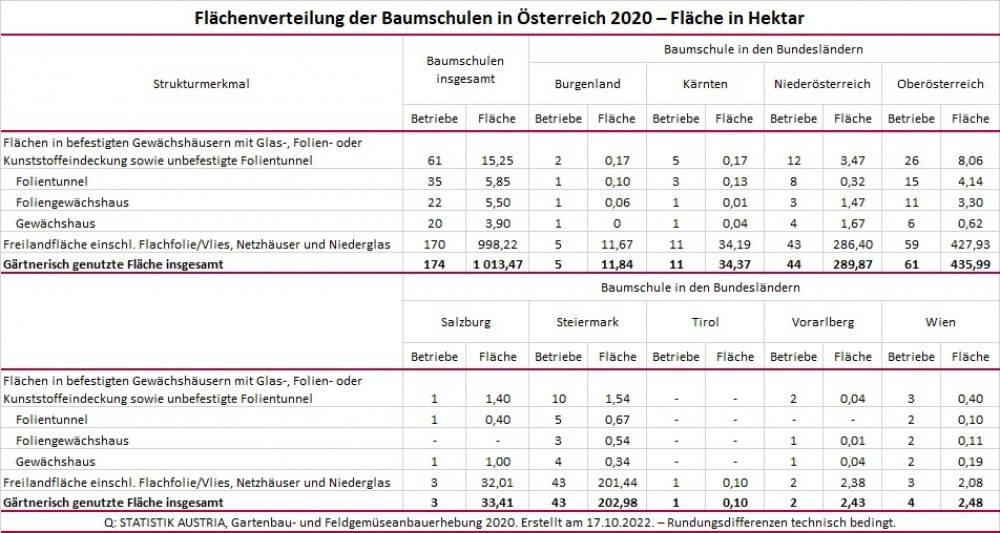
站上引的是奥地利统计局 2020 年的园艺与露地蔬菜普查:全国 174 家苗圃,种植面积合计 1,013 公顷,主要生产中心在上奥地利、下奥地利和施蒂里亚。跟上一次 2015 年的普查比,企业数量少了 13%,种植面积反而多了 5%。
按州分开看,上奥地利 61 家、436 公顷排第一,下奥地利 44 家、290 公顷,施蒂里亚 43 家、203 公顷。其余六个州加起来不到 20 家。用地结构上,保护地栽培只有 15 公顷多一点,剩下近千公顷都是露天种。
找苗圃:按州检索的会员名录
名录页可以按联邦州筛,下面另有一份总表。站上说协会现在有 78 家会员,总表里列出来的是 74 家苗圃。名录只给名称和所在地,不列详细门牌,要找具体一家得顺着链接再点进各自的页面。
名单里有 16 家挂着「经认证的区域苗圃」标志,认证规则是协会自己定的,在所有州通用。检查由四人委员会做,看四样东西:所产植物的质量、场院和陈列的样子、对顾客的照顾、人员管理。通过检查才准用这个称号,眼下有 18 家企业够格。
主席 Großbötzl 说这个检查的意思,是让苗圃把好品质和好服务做成一个看得见的记号,跟别家拉开距离;检查时的当面谈话也会把还能改进的地方指出来。
年度花园植物:一年一个选择
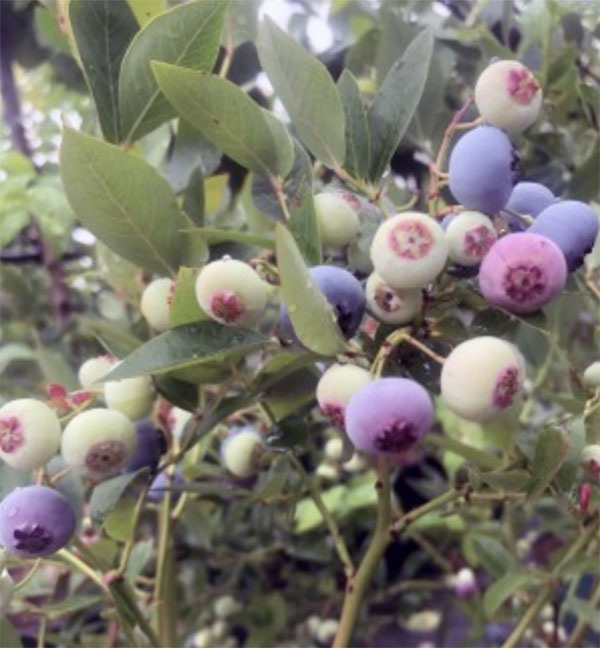
每年选一株「年度花园植物」。2021 年选的是海德伯特蓝莓(Heidelbert),一种收成好的高丛蓝莓,果实中等大、淡蓝色,味道好也好养;盆栽下地都行,酸性、不含石灰的土最合适;它能自花授粉,不必非配第二株,想多结果种两株更好。
2024 年的那株挂在协会自己的站上:柱状苹果「细杆威利」(der schlanke Willi)。冠幅只有 60 厘米、高不过 2.5 米,盆栽供应、一年四季可种,修剪简单到基本不用动,前六到八年不用压主轴;花开深粉色,果子小而深红、果肉也红,微酸,做果酱和苹果酥都合适,对真菌性病也抗。
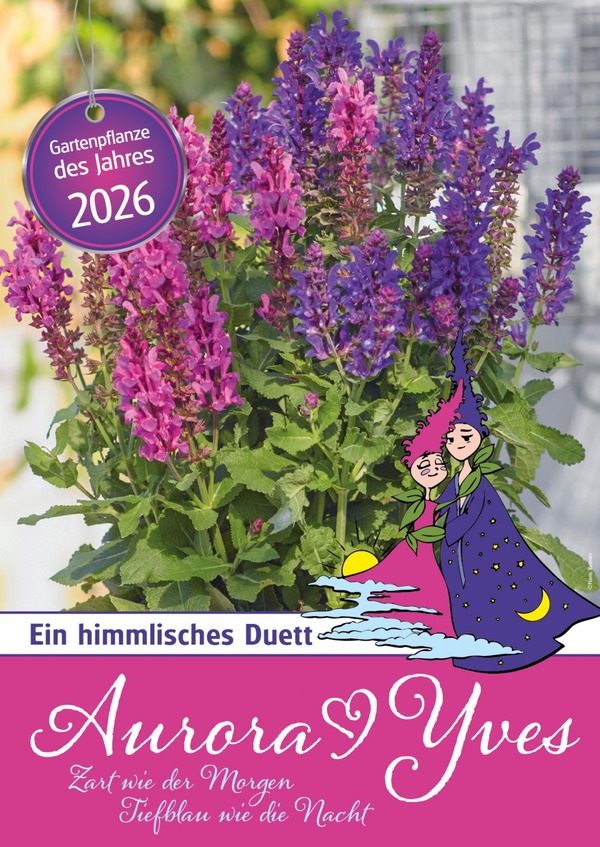
上级总会的站上已经公布了 2026 年的选择:一对鼠尾草 Aurora 和 Yves,前者柔粉、后者深蓝,株高 40 到 50 厘米,不用支架、不费心照顾,花蜜花粉都足,蜜蜂、熊蜂、蝴蝶都爱来;抗性很强,蜗牛和鹿都不碰它,只有积水会伤根。配蓍草和观赏草最好,土要排水好、偏干,位置得晒得足。
来历、登记和还在补的页面
协会不是一开始就这样。总会的年表记着,2012 年各州层面原有的苗圃专业委员会解散,苗圃这一支改以独立协会的形式集体亮相,之后被总会收作成员机构。登记形式是社团(Verein),办公地在维也纳,登记号列在站上的 Impressum 页。
站上还有一页「合作方」,目前只有一句「内容稍后补充」,具体伙伴还没写。内容最全的是名录页、年度植物页和认证规则这几页。
对想找苗圃的人来说,最实用的是名录页:先按州筛,再看有没有认证标志。年度植物则是一年换一个,可以每年回来看一眼。
An association for Austria’s growing nurseries
Behind the plan b site sits an association: the Austrian association of tree nurseries and perennial gardeners (Bund Österreichischer Baumschul- und Staudengärtner). It belongs to the Bundesverband der Österreichischen Gärtner, the federation of Austrian gardeners, which also counts nine state-level gardening associations, each looking after the trade in its own province.
The association says it speaks for the nurseries that actually grow plants in Austria rather than sell them. Its stated aim is plain: to produce high-quality plants suited to the climate and the site, for every use. Two tasks follow — giving members technical support, and raising the standing of the trade.
The people named on the site are chairman Karl Großbötzl, his deputy Dietmar Karl, managing director DI Marlies Zahaurek, and auditors Christian Sommerbauer and Manfred Haas. Großbötzl runs a nursery of his own near Ried in Upper Austria and is also a vice-president of the federation.
Five things fill the year: technical information for members, the winter conference, talks and further training, excursions, and marketing and publicity.
The shape of Austria’s nursery trade
The site quotes the 2020 horticulture and field vegetable survey by Statistics Austria: 174 nurseries in the country, 1,013 hectares under cultivation, with the main production centres in Upper Austria, Lower Austria and Styria. Against the 2015 survey the number of businesses fell by 13% while the area grew by 5%.
By state the picture is uneven. Upper Austria leads with 61 nurseries on 436 hectares, followed by Lower Austria with 44 on 290 hectares and Styria with 43 on 203. The other six states together come to fewer than 20. Almost all of that land is open field: protected cultivation accounts for a little over 15 hectares.
Finding a nursery, and the certified ones
The member list can be filtered by federal state, with a complete list below it. The site says the association currently has 78 members; the full list shows 74 nurseries. It gives names and locations but no street addresses, so a specific nursery is one click further.
Sixteen of them carry the mark of a certified regional tree nursery. The rules were drawn up by the association and apply in every state. A four-person commission looks at four things: the quality of the plants produced, the appearance of the premises and the goods display, how customers are treated, and how staff are managed. Only nurseries that pass may use the name, and eighteen businesses currently qualify.
Chairman Großbötzl explains what the check is for: it lets a nursery make good quality and good service visible in a mark that sets it apart from the rest, and the conversation with the commission also points out where there is still room to improve.
The plant of the year
One plant is chosen each year. In 2021 it was the Heidelbert blueberry, a heavy-cropping highbush blueberry with medium-sized pale blue fruit, good to eat and easy to grow; it does well in a pot or in the open, prefers light lime-free soil, and is self-fertile, so a second variety is not needed although two plants are recommended for a heavier crop.
The 2024 choice is still on the association’s own site: the column apple ‘der schlanke Willi’. Only 60 cm across and no more than 2.5 m tall, it is offered in pots and can be planted all year, and pruning is close to unnecessary — the main shoot needs no shortening for six to eight years. The flowers are deep pink, the fruit small and dark red with red flesh, slightly sharp, good in jam and in apple strudel, and it shrugs off fungal disease.
The federation’s site has already announced the choice for 2026: a pair of sages, Aurora and Yves, one soft pink and one deep blue, 40 to 50 cm high, needing neither supports nor fuss. Their flowers are rich in nectar and pollen and feed bees, bumblebees and butterflies; both are very hardy, are left alone by snails and deer, and only excessive moisture does them harm. Yarrow and ornamental grasses make good companions, the soil should drain well and be on the dry side, and a sunny spot gives the strongest colour.
Origins, registration and a page still to come
The association did not begin this way. The federation’s chronicle records that in 2012 the state-level tree nursery sections were dissolved and the nurseries appeared together as an association in their own right, later taken in as a member of the federation. Legally it is a registered association (Verein) based in Vienna, with the register number given on the site’s Impressum page.
There is also a “Partner” page that currently says only that the content will follow, with no partners named yet. The fullest pages are the member list, the plant of the year and the certification rules.
For anyone looking for a nursery, the list is the most useful part: narrow it down by state first, then look for the certification mark. The plant of the year changes every year, so there is always a reason to come back.


发表回复