
从苏格兰高山苗圃到德文郡
创办人 Ray Brown 原来是工业化学家和冶金工程师,1974 年带着妻子 Linda 离开原来的行当,卖掉考文垂的旧房子,拿其中约三千英镑,拖着一辆旅行拖车去了苏格兰西高地。他们在 Loch Garry 湖边买下一排四间废弃的救济院旧屋,花力气修成旅店,又把屋前的湿地排干改成花园。住店的客人老想讨园子里的花,其中最受欢迎的是从种子长出来的蓝罂花,那是 Ray 加入高山园艺学会和苏格兰岩石园艺俱乐部之后,跟会员交换种子得来的。Ray 很快看出高山植物苗圃有生意,他那间八平方英尺的小温室就此变成了成千上万种难养植物的繁殖棚。
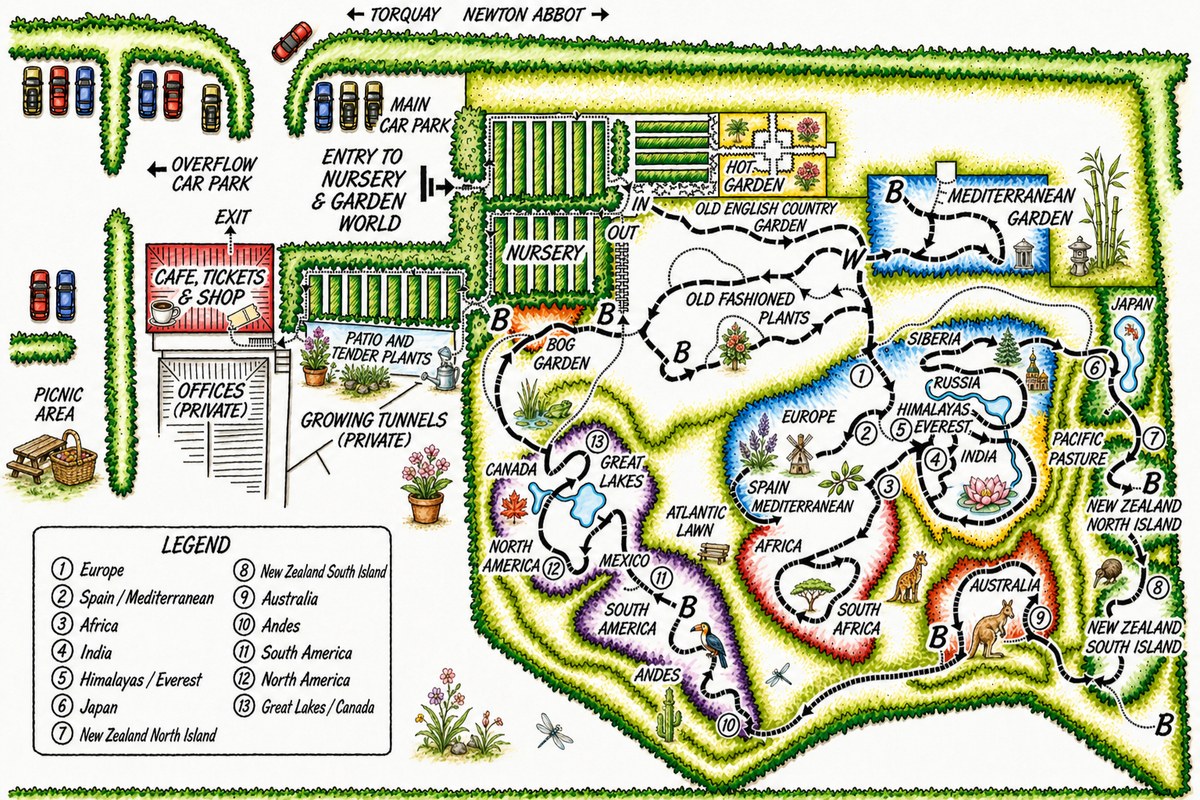
1984 年,他觉得光有苗圃不够,得有个从没见过的东西。他想到的主意是把整座山坡按世界地图布置:哪个洲种哪里的植物,山脉在哪里土就堆到哪里,路连着路。1984 到 85 年那个冬天,一家四口开着旧旅行车、拖着挂车在英格兰西南部转了几个月,最后在牛顿艾博特附近一座雪盖的高坡上找到一块四英亩的陡地,坡下正对着 Teign 河入海口。他用一桶桶磨碎的石灰在坡上画出地图轮廓,请当地农民先把地翻好,再叫来挖掘机搬了几百吨土,堆出山脉,挖出水塘。1986 年这座世界花园建成开放,是同类花园里的第一座。
种子生意是怎么起来的
花园里的收成成了商店里的第一批货。Ray 和 Linda 起初做的是黑白油印的种子清单,清单越印越厚,后来变成现在还在出的彩色纸目录。Ray 常年跟各路同行换种子、收种子,年轻时参加过几次种子采集远征,去过萨哈林岛、喜马拉雅和南美。这些收集来的种子一部分种进花园,一部分卖出去。1985 年举家南下时,种子公司随之成立;此前 Ray 和 Linda 已经在苏格兰那间小温室里按包卖种子,标价 50 便士。
Ray 后来带队跑过尼泊尔、智利、墨西哥和俄罗斯萨哈林岛,把在别处见不到的种带回英国。花园里的收成也成了公司最早的进货来源,很多包卖出去的种子就是从自家园子里收的。如今这片地连同苗圃已经扩到近 50 英亩,种子除了零售,也批发给英国和海外的种子公司。公司自己写下的看家品种是喜马拉雅蓝罂花(Meconopsis)、蓝刺头属(Echium)和传家宝番茄。
今天卖多少、卖什么
网站首页给出的数字是五千多种稀有花卉、蔬菜、乔木和灌木种子,可配送到世界各地。首页的分类块列得更细:花卉 2,443 个品种,蔬菜 555 个,热带与异国品种 565 个,果树与浆果 100 个,乔木灌木与藤本 280 个,五类相加是 3,943 个。点进各分类页,页头写的商品数略有出入,加起来是 3,951 件,全部商品目录翻 198 页,列出的也是 3,951 件。首页那个「五千多种」比实际能点开的商品数高出不少,站上没有说明差额从哪里来,要引用的话最好注明取的是哪一个口径。2026/27 年度目录已经付印,店家说十月中旬寄到订户手里,说是新增了 650 多个品种。
他们写下的经营原则并不复杂:种子要能发芽,包装要结实,来源要尽量可持续。发货前每批种子都由人工分装,站上直接写明「我们手工包装,配送到世界各地」。顾客评价里被提到最多的是三样东西:种子确实能发芽、发货快、还附赠小包种子。首页上滚动着两千多条五星评价。
花园顺带可以逛
花园本身也是开放的。四英亩的山坡按非洲、美洲、新西兰、澳洲、欧洲、喜马拉雅、西伯利亚和地中海等区域分块种开,路径在中间绕行。店家建议至少留半小时走一圈,想把每个分区都看完就要更久。入场日票 4 英镑,季票 8 英镑,16 岁以下免票,苗圃和咖啡厅不收门票。开放时间一般从三月底到十月中旬,每天 9:30 到 16:30,冬季歇业,第二年三月重开。
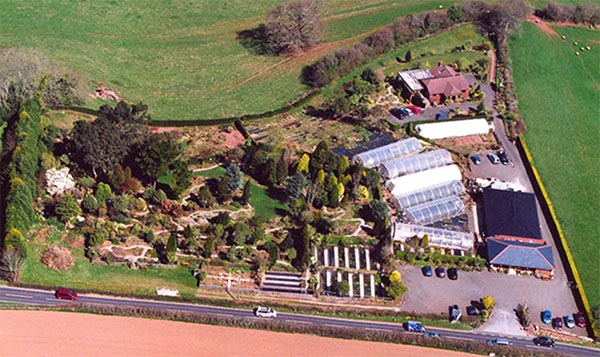
紧挨着的是稀有植物苗圃,建园时就想着让游客把园里见到的植物和树木带回家,很多是自家采种或分株繁育出来的。咖啡厅 2006 年建在原来看守用的小屋和塑料大棚位置上,现在有四十来个室内座位,能看到 Haytor 方向的河湾景色。花园和苗圃免费开放,带团来需要提前两周以上书面预约。
怎么看、怎么买
网站上的分类分得很细,每个分类页还能按当月该播什么来筛,商品页上除了基本资料,还画出从播种到开花收获的月份条。种子目录每年印一版纸质本。网上的店是主要销售渠道,另有一间贸易店面向同行批量采购。
公司注册名是 Plant World Devon Ltd,办公地在德文郡牛顿艾博特。创办人 Ray Brown 已经退休,日常交给园艺团队打理,但公司博客里还挂着他署名的文章,写四十年的经过。他培育出的新品种里,有新的耧斗菜、耐寒的矮生糖芥、香味矮牵牛,还有叶色纯金的匍匐羽扇豆,目前仍在市场上销售。
From a Scottish Alpine Nursery to South Devon
Ray Brown, the founder, trained as an industrial chemist and metallurgist. In 1974 he and his wife Linda left that work behind, sold their small house in Coventry and used some three thousand pounds of the proceeds to buy a row of four derelict alms houses hidden up a bumpy track near Loch Garry in the Scottish Western Highlands, along with a sixteen foot caravan towed behind them. They restored the ruins into a guest house and drained the boggy ground in front into a garden. Guests kept asking for pieces of the unusual flowers, above all blue poppies raised from seed Ray had picked up in exchange through the Alpine Garden Society and the Scottish Rock Garden Club. A business opening was obvious: an alpine plant nursery, with an eight foot square greenhouse as the propagation house for thousands of difficult species.
In 1984 Ray decided a nursery alone was not enough and that the new garden had to be something nobody had done before. His idea was to lay out the whole hillside as a map of the world, each continent planted with its own native plants. Over the winter of 1984 and 85 the family of four drove around the West Country in their old Volvo estate car, caravan in tow, and settled on a steeply sloping four acre field on a very high snow covered hilltop near the market town of Newton Abbot, looking north over the Teign estuary. Ray drew the design in buckets of ground limestone, a kindly local farmer ploughed and harrowed the ground, and a seven ton JCB moved several hundred tons of soil to raise the mountain ranges and dig out the ponds. Tens of thousands of potted plants were then arranged into their correct countries. The garden opened in 1986 as the first of its kind, a living map of the world.
How the Seed Business Started
Seed from the garden became the first stock for sale. Ray and Linda began with a homemade black and white seed list, which grew slowly into the full colour paper catalogue the company still prints today. Ray built up a wide network of friends and contacts for exchanging and sourcing seed, and in his younger years joined organised seed collecting expeditions to Sakhalin, the Himalayas and South America. Some of that seed was planted in the gardens, some was sold. The company dates itself to 1985, when the family moved south; before that Ray and Linda had already been selling fifty pence seed packets from the small Scottish greenhouse at Faichem.
Ray later led collecting trips to Nepal, Chile, Mexico and Sakhalin island, bringing back species that were otherwise hard to obtain in Britain. The garden remained the original source of seed, and many packets still sold today are collected from it. Plant World now extends to nearly fifty acres, growing unusual seed both for retail customers and for other seed companies at home and abroad. The specialities the company names for itself are Meconopsis, echiums and heirloom and heritage tomato seed.
What Is on Sale Today
The home page states over five thousand varieties of rare flower, vegetable, tree and shrub seed, with worldwide delivery. The category tiles break that down further: 2,443 flower varieties, 555 vegetable, 565 tropical and exotic, 100 fruit and berry, 280 tree, shrub and climber, and 3,943 across the five categories together. The category pages themselves give slightly different counts, totalling 3,951 items, and the full catalogue runs to 198 pages listing those same 3,951. The headline figure sits well above the number of items you can actually open, and the site does not say where the difference comes from, so it is worth stating which of the three you are quoting. The 2026/27 paper catalogue has gone to print and the company says it will be with customers from mid October, with more than 650 new varieties added.
The operating principle is plain: good germination, careful packing, and sourcing that is as sustainable as possible. Seed is packed by hand, and the site says so directly, promising worldwide delivery. What customers mention most often in reviews is that the seed actually germinates, that it arrives quickly, and that the free extra packets are a welcome bonus. More than two thousand five star reviews scroll across the home page.
The Gardens Are Open to Visitors
The garden itself is open. The four acre hillside is planted in areas for Africa, the Americas, New Zealand, Australia, Europe, the Himalaya, Siberia and the Mediterranean, with paths winding between them. The site suggests allowing at least half an hour for a quick circuit, longer if you want to see every planted continent. A day ticket costs four pounds and a season ticket eight, entry is free for under sixteens, and the nursery and cafe are free to enter. The usual season runs from late March to mid October, daily from 9.30am to 4.30pm; the site is closed for the season over winter and reopens the following March.
Next door is the rare plant nursery, created so that visitors can take home the plants and trees they have seen growing in the gardens, many raised from the nursery’s own collected seed or by division. The cafe was built in 2006, replacing the old shed and polytunnel that had served drinks and snacks for the first twenty years, and now seats around forty people indoors with a view towards Haytor across the estuary. Entry to the gardens and the nursery is free; groups are asked to confirm in writing at least two weeks in advance where possible, especially if food arrangements are needed.
How to Look and How to Buy
The website is organised into detailed categories, and each collection page can be filtered by what to sow in the current month. Product pages carry plant details and a visual growing calendar showing when to sow, when to plant out and when to expect flowering or harvest. The paper catalogue is printed every year. The online shop is the main route to buy, and a trade store serves other seed businesses buying in bulk.
The company is registered as Plant World Devon Ltd and is based in Newton Abbot in Devon. Ray Brown has retired from day to day running and handed the reins to a team of horticulturalists, though articles under his own name still appear on the company blog, including his account of forty years in the trade. The varieties he has bred include new aquilegias, hardy dwarf erysimums, fragrant petunias and creeping lupins with pure golden foliage, and they are still sold commercially today.
相关文章:
 英国 Chiltern Seeds 种子公司 – 牛津郡家族花卉蔬菜种子目录商
 美国 ED HUME 种子公司 (Hume Seeds) – 1977 年创立的家族种子零售与西北冷凉气候选种专家
 美国 Select Seeds 花卉种子公司 – 切花与花境花卉与香草种子公司
 加拿大 威廉大坝种子公司 William Dam Seeds – 加拿大蔬菜花卉种子家族企业
 德国 魔法花园种子 Magic Garden Seeds – 1300 余种传家宝种子电商
 美国 种子变革品牌 Seeds of Change – 美国第一家纯有机种子公司
 德国 阿斯克勒庇俄斯种子商店 Asklepios Seeds – 六百余种珍稀种子电商
 英国 波士顿种子公司 Boston Seeds – 英国最大草籽在线供应商
发表回复