
从一块荒草地开始的两个人
加滕卢斯特 Gartenlust 位于北威州哈尔弗,在绍尔兰与贝吉施地区交界处。创办者是 Bernd Flasdieck 和 Karin Schröder 夫妇,两人学的都不是园艺,却因为想做一个自然的多年生花园而把它做成了事业——他们的原话是,这座花园出于热爱而成,尽管腰酸背痛、没有空闲,那种感觉却一直没消退。
1996 年,他们找了一年半才在绍尔兰找到一块 6000 平方米的地,带附属建筑,位置在哈尔弗、靠近哈根。那块地原本是没有树也没有灌丛的牧场,可以随意改造。最初的土方工程是机械做的,之后夫妻两人和员工一处处把草地开垦出来,挖土、锄地、种植。现在园里有大水池、干砌石墙、下沉花园、按颜色配的花境、历史与现代玫瑰的专区、农家花园、咖啡馆和一个小植物销售区。
4500 平方米的多年生花园
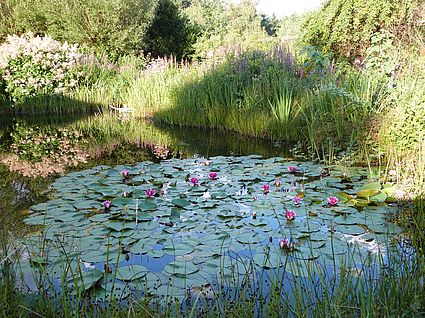
6000 平方米的地里,超过 4500 平方米种满了耐寒多年生植物和玫瑰。花境大多按颜色设计,这是这座园子最鲜明的做法:有以圣诞玫瑰、郁金香和水仙为主的大春花境,有岩石花园,有蓝黄配色的夏季花境,有以白、紫、粉三色为主搭配少量玫瑰的农家花园,还有爬满攀援玫瑰的大花架、盛夏才亮起来的火焰花境,以及种满睡莲的大池塘。园中到处设有座位,蝴蝶、昆虫和其他小动物也都在。
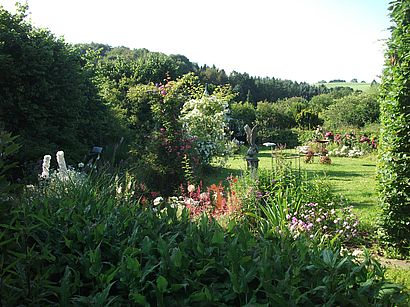
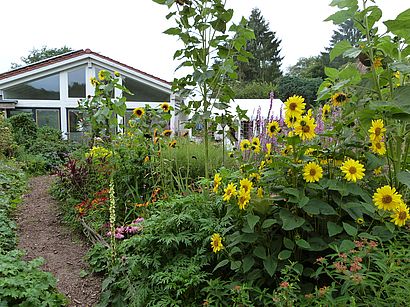
用碎石砌了几道石墙,如今有壁虎住在里面,驯化到可以近距离观察。整座园子尽量不铺装路面,步道用树皮覆盖或是草地,为的是让蜜蜂和其他昆虫还能找到足够的花蜜——园里的重瓣花少,都是能供蜜的品种。二十多年下来收集的多年生植物数量相当可观,品种之丰富常常让来访者意外。
不是花园中心,是私园加苗圃加展示
这一点他们自己说得很清楚:这里不是花园中心,而是私人花园、苗圃和展览馆的组合,后来还加了一家小咖啡馆。4500 平方米里能看到成百上千种多年生植物,小店里卖的是园艺装饰品,此外还经营多年生植物、香草和花园装饰。咖啡馆还对外出租园子里的凉亭,场地可以租用举办活动。
这处地方在圈子里有口碑:2005 年,德国园艺杂志《Garden Style》把他们评选为德国 26 家最佳多年生苗圃之一,后来还参加过马尔基施县一级的园艺评比。主人两口子年纪都已过六十,这些年一直受腰背疼痛和体力所限,如今已半退休。
现在的开放状态
这一点对访客最重要:花园目前只在特定日子开放,比如「开放花园日」,夏季有时会连续开放几周,但每年情况不同,还要看两位主人的身体状况。站上首页也显示「花园已关闭」的提示。打算去看之前务必先确认当次的开放安排,不要按常规园艺场地的想法直接过去。
场地现在还多了一项用途:楼上有一间 73 平方米的度假公寓,附带同地址的邮箱与电话,可通过站上联系。按站上的说明,公寓客人在花园开放日之外也能在花园散步,这大概是这座园子如今最稳定的日常来客。
去之前值得知道的
从布局上说,这是一座以多年生植物为主体的私家花园,参观节奏应当按看花园而不是逛卖场来安排:先沿水塘和花架走一圈,再看各色花境,最后在座位上坐一会儿。园区不大但层次密,停留两三个小时比较合适。
另外别把它当成买苗的常规渠道:销售本来就只是园中的一部分,而且开放时间本身就不固定。想买特定品种的话,事先问清楚最稳妥。咖啡馆和凉亭出租则是另一条对外的路径,团体或活动用途可以另行联系。
Two people who started with rough pasture
Gartenlust is at Halver in North Rhine-Westphalia, where the Sauerland meets the Bergisches Land. It was started by Bernd Flasdieck and Karin Schröder, neither of whom trained as gardeners, but who wanted a naturalistic perennial garden and turned that into their work. Their own account is that the garden came out of a passion, and that the feeling never faded despite bad backs and no free time.
They searched for a year and a half before finding a six thousand square metre plot with an outbuilding in the Sauerland in 1996, at Halver near Hagen. It was open pasture with no trees and no shrubs, so it could be laid out as they wished. The earthworks at the start were done by machine, after which the two of them and their staff worked through the garden by hand, digging, hoeing and planting. What exists now includes a large pond, dry stone walls, a sunken garden, colour-coordinated borders, a section of historic and modern roses, a cottage garden, a cafe and a small plant sales area.
Four and a half thousand square metres of perennials
Of the six thousand square metres, more than four and a half are planted with hardy perennials and roses. The borders are largely designed by colour, which is the most distinctive thing about the place: a large spring bed of hellebores, tulips and daffodils; a rock garden; a blue and yellow summer border; a cottage garden working in white, violet and rose; a big rose pergola; a phlox border; a hot border that comes into its own in high summer; and a large pond full of water lilies. Seating is scattered throughout, and the butterflies, insects and other wildlife come with it.
A number of walls were built from broken stone and are now home to wall lizards tame enough to watch closely. Very little of the garden is paved over, with bark mulch and grass for paths, so that bees and other insects still find nectar: there are few double flowers here, chosen because they feed. Over more than twenty years a considerable number of perennials has been gathered, and the range of varieties regularly surprises visitors.
Not a garden centre but a private garden, nursery and show garden
The owners put it plainly themselves: this is not a garden centre but a combination of a private garden, a nursery and a show garden, with a small cafe added later. Hundreds of perennial varieties can be seen across the four and a half thousand square metres, the shop sells garden decoration, and they also run perennials, herbs and garden decor. The cafe is there to be used, and the pavilion in the garden can be rented out.
The place has standing in the trade. In 2005 the German gardening magazine Garden Style picked them out as one of the country’s twenty-six best perennial nurseries, and they have since taken part in competition in the Märkischer Kreis. Both founders are now past sixty and have wound the business down to semi-retirement.
How it is open now
This matters most for anyone planning a visit: the garden is now open only on set days, such as open garden days, and sometimes for a few weeks in summer, but that varies from year to year and depends on the owners’ health. The site itself currently carries a notice that the garden is closed. Anyone heading over should confirm the opening arrangements first rather than turning up on the assumption that it is a shop with a garden attached.
The site now carries a further use: there is a seventy-three square metre holiday apartment upstairs. The contact details are given on the site, and by the site account guests of the apartment can use the garden on open days, which is probably the steadiest daily footfall the place has now.
Worth knowing before you go
In layout this is a private garden built around perennials, so it should be visited as a garden rather than shopped as a store: a turn around the pond and the pergola first, then the colour borders, and finally a sit-down on one of the seats. It is not large but the layering is dense, and two or three hours is about right.
It is also worth not treating it as a normal place to buy plants: selling was always only part of what happens here, and the opening times are irregular anyway. If you want a particular variety, asking ahead is the safest course. The cafe and the hire of the pavilion are the other route in, for groups or events.
相关文章:
 加拿大 Aspen 温室园艺公司 – 专注于盆栽花卉生产的现代化温室生产基地
 美国 雪绒花多年生苗圃 Edelweiss Perennials – 俄勒冈州家族邮购苗圃
 荷兰 De Tuinstek 苗圃 – 家庭式多年生植物专业苗圃鼠尾草特色
 瑞士 霍马特文化苗圃 Homatt Kulturgärtnerei – 稀有传统品种植物家庭苗圃
 荷兰 OpdeHaar 开放式花园 – 荷兰可预约参观私人收藏园
 法国 Delabroye 苗圃 – 欧洲耐寒宿根植物苗圃
 加拿大 安娜多年生植物苗圃 Anna’s Perennials – 3英亩耐寒植物花园中心
 美国 Perennials Galore 多年生植物苗圃 – 美国中西部家族温室苗圃
发表回复