
1928 年由各地的菜园协会联合成立
AVVN 是由社区菜园协会组成的全国性联合会, 名字的缩写来自它的荷兰语原名, 对外只用 AVVN 四个字母, 副标题是「一起自然园艺」。它的会员是各个地方的菜园协会而不是个人园丁, 协会的方向由全体大会决定, 董事会对大会负责。2026 年 6 月的全体大会专门留了时间, 讨论协会以后该怎么组织、章程要不要改。
总部在乌得勒支。2025 年是变动很大的一年: 年初先搬到阿默斯福特, 5 月 17 日新一届董事会就任, 与外部执行机构的合作终止, 自有的房产卖掉, 11 月又搬回乌得勒支的新址。年度结余约八万欧元, 储备金超过五十万欧元, 一笔十一万多欧元的贷款也还清了。
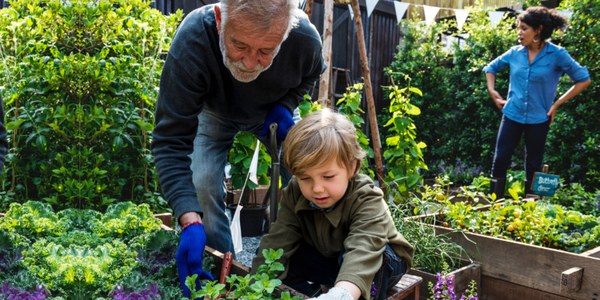
一百六十多家协会, 三万多名园丁
站上给出的规模是 一百六十余家加盟协会和三万两千余名园丁。2025 年年报里的说法略有差别, 写的是三万余名园丁和两百余座社区花园。两个数字都出自官方, 差别大概在统计时间和口径上, 引用时分开写更稳妥。
会费按集体会员制收, 2026 年每名园丁每年 33 欧元, 地块面积不超过 100 平方米的减 25%。会员拿到的服务包括集体保险、章程和内部规章的模板与咨询、纠纷调解, 以及面向理事的培训课。
一枚瓢虫盾牌: 国家自然园艺认证
1996 年起, 协会开发了国家自然园艺认证标志, 这是一个受法律保护的商标。评估看的是园子的自然化程度, 结果用一到四个点表示, 盾牌上的瓢虫是识别标志, 评估由协会与 KNNV、IVN 两家机构合作完成。目前全国有五十七座社区花园分布在十六个市镇可以挂这块牌子, 点越多说明自然状态越好, 牌子也要定期复评。
这套办法 2025 年重新修订了一遍, 计划 2026 年以改进后的形式重新推开。
知识库和给理事的培训
知识库按六个主题分类, 分别是土壤与堆肥、绿色与邻里、可食用菜园、自然与可持续种植、协会的组织与管理、水与气候。每个主题各自列出文档、问答和消息的数量, 六个加起来是七十七篇文档、四十二条问答和二百五十条消息。
面向理事的课程由协会自己的学院开设, 有线上研讨会也有线下碰面, 讲协会法、财务、维护和志愿者这些实际事。2025 年上线的新会员平台顶替了旧的会员网络, 集体保险里包含意外和责任两项, 会员另外还有一本荷兰语的协会杂志。
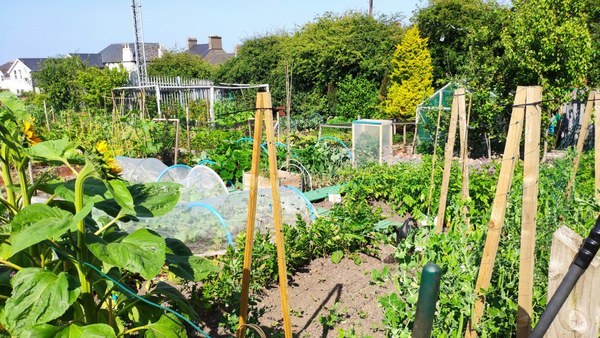
为菜园争取空间
空间压力是协会的主要议题。住房和基础设施用地一挤, 菜园常常要让路。协会的做法是收集会员反映的情况, 用调查和研究做支撑, 跟政府和市政机构对话, 必要时代表会员出面谈。
2025 年协会委托莱顿的自然多样性中心做了一份社区花园综合价值报告, 结论分成生态、社会、文化、消费和财务五类。在国际层面, 协会跟国际家庭菜园联合会保持往来, 一起讨论家庭菜园的推广。2022 年的年报里, 鹿特丹市就被列为重点关注对象, 那一年协会的主要方向是往外面走、扩大合作。
Founded in 1928 by local garden associations
AVVN is the national federation of allotment garden associations in the Netherlands. The four letters come from its Dutch full name, and the organisation now uses nothing but AVVN, with the tagline “together, gardening the natural way”. Its members are the local garden associations rather than individual gardeners. Direction is set by the general meeting, and the board answers to that meeting. At the general meeting of June 2026, members set aside time to discuss how the organisation should be run and whether its statutes need changing.
The office is in Utrecht. 2025 brought a good deal of change: a move to Amersfoort early in the year, a new board taking office on 17 May, the end of the arrangement with an external delivery organisation, the sale of the building the organisation owned, and a move back to a new address in Utrecht in November. The year closed with a surplus of around eighty thousand euros, reserves above half a million euros, and a loan of a hundred and twenty thousand euros repaid in full.
One hundred and sixty associations, thirty thousand gardeners
The site gives the scale as more than 160 affiliated associations and more than thirty-two thousand allotment gardeners. The annual report for 2025 puts it slightly differently, at just over thirty thousand gardeners and more than two hundred garden parks. Both figures come from the organisation itself; the difference is down to timing and to what is being counted, so it is safer to quote them separately.
Membership runs as a collective scheme. For 2026 the contribution is thirty-three euros per gardener per year, with twenty-five percent off for gardens of a hundred square metres or less. Members receive collective insurance, model statutes and house rules with advice on adapting them, help with disputes, and training for committee members.
A ladybird shield: the national mark for natural gardening
Since 1996 the association has run its own national quality mark for natural gardening, a trademark under legal protection. Assessment looks at how natural a garden park actually is, and the result is expressed as one to four dots. The ladybird on the shield makes the mark recognisable, and the assessment is done together with the field biology association KNNV and the nature education body IVN. At present fifty-seven garden parks in sixteen municipalities may carry the mark. The more dots, the more natural the park, and sites are reassessed at regular intervals.
The method was reworked in 2025, and the mark is due to return in an improved form in 2026.
The knowledge library and training for committees
The knowledge library is organised under six headings: soil and compost, green and neighbourhood, edible gardens, natural and sustainable gardening, running the association, and water and climate. Counted through, that comes to seventy-seven documents, forty-two questions and two hundred and fifty news items.
Training for committee members sits under the AVVN Academy, with webinars and face-to-face meetings on association law, finances, maintenance and volunteers. A new member platform, TuinConnect, went live in 2025 to replace the old member network. The collective insurance covers accidents and liability, and members also receive the association magazine De Tuinliefhebber.
Making the case for garden space
Land pressure is the association’s main issue. Once housing and infrastructure take up room, allotment parks are often the ones that have to give way. The association gathers what members report, backs it up with surveys and research, and puts it to government and municipal bodies, stepping in to negotiate on members’ behalf when needed.
In 2025 the association commissioned the natural diversity centre in Leiden to report on the broad value of allotment parks, with the findings grouped into five kinds: ecological, social, cultural, consumptive and financial. Internationally it keeps in touch with the international federation of family gardens, working together on promoting the idea. Rotterdam’s municipality was already named as a focus point in the 2022 annual report, a year in which the main thrust was to look outward and widen cooperation.
相关文章:
 丹麦 全国实用生态学会 Landsforeningen Praktisk Økologi – 自办唯一无农药园艺刊的团体
 德国 水花园爱好者协会 – 致力于推动水生和沼泽植物的研究、栽培与应用
 荷兰 皇家园丁和园艺师协会 Koninklijke VHG – 1100 余家会员的行业组织
 加拿大 阿尔伯特省园艺大师协会 MGAA – 省级注册园艺大师志愿团体
 荷兰 小花园园艺 KleineTuinen.nl – 七百余篇园艺实践记录
 英国 乡村花园协会 The Cottage Garden Society – 英国村舍花园保护组织
 加拿大 安大略园艺协会 – 行业自律与服务组织
 美国 爱荷华州苗圃和景观协会 – 种苗生产与销售
发表回复