

一家做了四十年的家族苗圃
WTM de Boer 是一家荷兰家族苗圃, 1985 年由 Wim de Boer 创办, 2007 年起儿子 Steef de Boer 作为合伙人加入经营。站上把方向定在公共绿化这一块, 主力是 p9 与 c1.5 两种小盆规格的植株。
经营的路子很清楚: 不直接卖给个人, 也不追新奇特品种, 靠量大和压得住的价格吃饭。站上写产品是照着园丁的需要配的, 苗要长得结实, 价钱要压得下来。
三处苗圃, 十一万五千平方米
苗圃一共三处, 加起来十一万五千平方米。Leiderdorp 是最早的一处, 苗圃和行政都在那里; 2010 年在 Boskoop 的绿色港区开出第二处, 苗圃和物流都搬了过去; 2022 年又在 Aalsmeer 附近的 Nieuwveen 添了第三处。
三处每年出产约五百万株植株。固定员工十五人, 旺季再补一批季节工。自动化程度高是成本压得住的主要原因; 用肥和用药也刻意收着, 少伤环境, 成品的成本也就跟着低。
目录里的五类植物和两种盆号
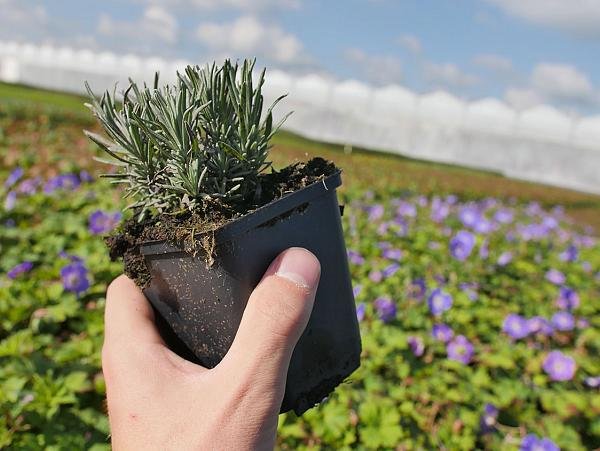
目录按类分: 地被植物八十个, 观赏灌木一百零四个, 多年生植物五十七个, 观赏草二十三个, 绿篱植物七个。站上写的记录总数是二百九十六条, 按名字去掉同名不同盆径的重复之后是二百三十八个; 前面那几个分类数加起来跟总数对不上, 站上没交代口径, 引用时分开看比较稳妥。
盆号是苗圃最实在的一条信息。地被、灌木、观赏草和多年生走 p9 与 c1.5 两种盆, 绿篱苗另出 c2.5 和 c4.5 两种。按盆径分, 一升五的盆最多, 一百四十一条, 九厘米的小盆一百三十七条。

卖给谁, 怎么送到
客户是园艺植物的经销商和贸易公司, 终端是欧洲绿化工程的园艺师、绿化养护公司, 以及成片的私人绿地和公共绿地。个人不卖: 园丁要去买, 站上会指给他自家供货的那批自提式批发点; 普通人则被指到卖这些苗的园艺中心和建材超市。
提货在自家场子完成, 工作日上午九点前下单, 当天下午两点起可以在 Leiderdorp 或 Boskoop 提。运输跟几家集体承运商合作, 覆盖荷兰、比利时和德国的绿化区域, 也是九点前下单当天走车。Boskoop-Hazerswoude 一带另有免费送到承运商仓点的服务, 当天十八点前送到。送到最终客户手上也可以, 由托盘承运商在荷兰和比利时做, 每个托盘位 73.50 欧元, 指定时间送达另加 50 欧元。交易条款按荷兰苗木业通行的买卖条件执行。
绿墙、零售线和认证
绿墙是单独一条线。开花绿墙和常绿绿墙的植株都有, 站上还能把墙板元件拿到 Leiderdorp 的苗圃先种好再发货, 墙立起来就是已经长成的样子, 装得快也好看。植株供给绿墙工程商, 想找绿墙的业主, 站上会把他引到用他家植株的工程商那里, 站上还存着一些参考项目可以看。
零售那条线叫 Garden Basics, 走超市和建材连锁, 产品多是低价位的健壮地被苗, 挑选时看的是株形齐整, 出厂还带照片标签。认证方面, 站上首页并排挂着 MPS、GlobalGAP、GRASP 和 ECAS 几个标志, 公司页写的是已通过 GLOBAL-GAP 认证, 正走在通往 PlanetProof 的路上。
A family nursery running since 1985
WTM de Boer is a Dutch family nursery. Wim de Boer founded it in 1985, and his son Steef de Boer joined as a partner in 2007. The company positions itself in the public green segment, growing mainly in the smaller p9 and c1.5 pot sizes.
The direction is deliberately narrow: no sales to individuals, no novelty varieties, volume and a firm price instead. The site says the product is fitted to what the gardener needs, plants that stay sturdy and a price that stays low.
Three sites, one hundred and fifteen thousand square metres
There are three nurseries in total, one hundred and fifteen thousand square metres together. Leiderdorp is the oldest site, holding both the growing and the administration. A second site opened in 2010 in the Greenport Boskoop area, with growing and logistics moved there. A third followed in 2022 at Nieuwveen, near Aalsmeer.
Around five million plants are produced across the three sites each year. Fifteen permanent staff work there year round, with seasonal hands added in the busy season. A high level of automation is what keeps production costs down. Fertiliser and crop protection use is deliberately restrained, which spares the environment and keeps the cost of the finished plant low.
Five product groups and two pot sizes
The catalogue is split by group: eighty ground cover plants, one hundred and four ornamental shrubs, fifty-seven perennials, twenty-three grasses and seven hedge plants. The site lists two hundred and ninety-six records in total, and two hundred and thirty-eight different names once the same variety listed in different pot sizes is counted once. The group figures do not add up to that total and the site does not explain the difference, so it is safer to quote them separately.
Pot size is the most practical piece of information a nursery publishes. Ground cover, shrubs, grasses and perennials come in p9 and c1.5 pots, while hedge plants come in c2.5 and c4.5. Broken down by pot size, the one and a half litre pot is the most common with one hundred and forty-one entries, and the nine centimetre pot follows with one hundred and thirty-seven.
Who buys, and how the plants get there
Customers are resellers of garden plants and trading companies. The end users are gardeners, green service contractors and larger private and public green projects across Europe. The nursery does not sell to individuals. Gardeners are pointed to one of the many cash and carry outlets the company already supplies, and private buyers are pointed to garden centres and hardware stores that carry the plants.
Collection takes place at the company’s own sites. Order on a working day before nine in the morning and the plants can be picked up from two in the afternoon the same day in Leiderdorp or Boskoop. Transport is arranged with several collective carriers covering the green regions of the Netherlands, Belgium and Germany, again with the same nine in the morning cut-off for a same day run. Around Boskoop-Hazerswoude there is a free service delivering to the depots of the collective carriers, before six in the evening on the same day. Delivery straight to the final customer is also possible through a pallet carrier in the Netherlands and Belgium, at 73.50 euros per pallet space, with 50 euros added for timed deliveries. Trading follows the general conditions used in the Dutch nursery trade.
Green walls, a retail line and certification
Green walls are a separate line of business. Plants are available for flowering green walls and for evergreen green walls, and the site also offers to plant and grow wall elements at the Leiderdorp nursery before they are shipped, so the wall goes up already grown and attractive. The plants go to green wall contractors, and anyone looking for a green wall is referred to the contractors who use this planting. A selection of reference projects can be shown on request.
The retail line is called Garden Basics and runs through supermarkets and hardware chains. The products are mostly sturdy ground cover plants in the lowest price segment, selected for uniformity of shape, and they carry a photo label. On certification, the homepage shows the MPS, GlobalGAP, GRASP and ECAS marks side by side, and the company page states that the business holds GLOBAL-GAP certification and is on the way to PlanetProof.
相关文章:
 美国 哈斯的温室Haase’s Greenhouse – 提供从一年生植物到多年生植物,从花坛植物到吊篮,从蔬菜到香草的丰富品种
 德国 Helix Pflanzen GmbH – 地被植物与城市绿化专业苗圃
 美国波特兰苗圃Portland Nursery – 波特兰东南部的花园商店
 美国 天空苗圃Sky Nursery – 成立于60年代初,提供
 荷兰 Jan Spek Rozen 玫瑰苗圃 – 1890 年起的切花玫瑰育种商
 荷兰 Herman Geers 苗圃 – 欧洲家族矮生微型植物苗圃
 荷兰 范·佐斯特铁线莲苗圃 J. van Zoest BV – 家族式铁线莲育种苗圃
 美国 FindNurseries.com 苗圃目录 – 面向园艺爱好者和苗圃业主的在线行业目录站
发表回复