

一份奥地利出品的在线园艺杂志
Gartenjournal 是一份德语在线园艺杂志,报头写的是「Das Gartenjournal – Ihr Ratgeber für Freude im Garten」,即园艺乐趣的顾问。网站由 Mad Dog Media GmbH 运营,这家公司注册地在奥地利施蒂利亚州莱布尼茨,做的事情是搭建和运营各类信息类网站并以此获利。杂志本身没有印刷版,全部内容都在线上发布。
Mad Dog Media 不只做这一份杂志。公司自述在德语区经营近百个自有网站,年访问量超过一千万,业务包括内容赞助文章、图文广告位和原生广告,并且坚持直接对接广告主、不做链接中间商。公司在奥地利经济商会登记的经营范围是信息处理与信息技术服务类,工商登记机关为莱布尼茨区法院。杂志文章的作者栏只署一个名字:Martin。按规定地址、电话、邮箱、UID 和工商登记号都不写进文章正文,这里也一并省去。
它最早的样子可以从旧快照里看出来:那时候首页分栏陈列「Gartenpflanzen」「Gartengestaltung」「Magazin」三个板块,每篇文章只给两三句摘要,后面跟着一个「weiterlesen」的链接。现在的版本比当年完整得多,文章全部展开,页面上另外挂着一排直达入口,直接通向造园、泳池、高床菜园、花园水塘、石头园和枯山水这几个主题。
栏目怎么分的
现在网站有五个固定分类。Pflanzen(植物)收单株植物的养护和繁殖,园艺品种、观叶、球根都有;Gemüsegarten(菜园)管蔬菜和香草,从高床菜园到窗台育苗;Gartengestaltung(园艺设计)讲院子怎么布置;Vorgarten(前院)专门讲房子门前那一小块地方,是奥地利住宅的典型构成;Magazin(杂志)是问题解决类的实用文章,篇幅最多。分类下面还挂了五十多个标签,从「Rasenpflege」到「Ameisen vertreiben」,颗粒度很细。
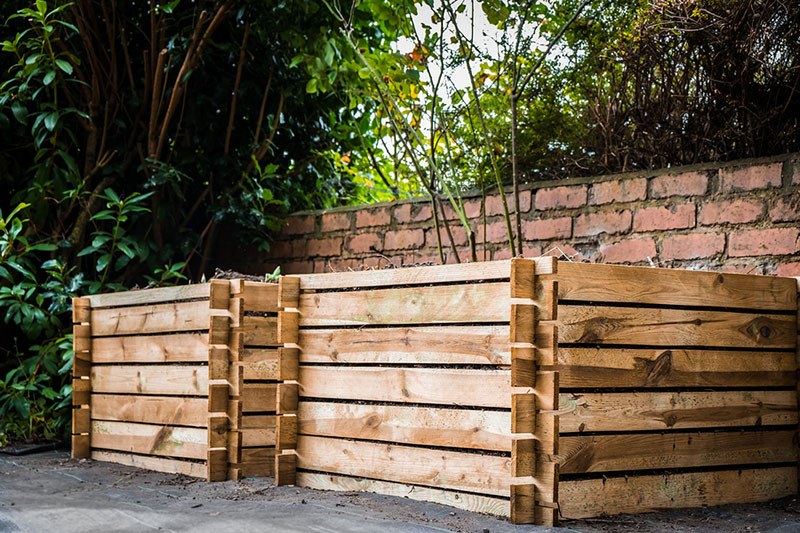
文章数量已经过百。较早的一批成于 2014 至 2017 年,写法偏教材:怎么种草皮、怎么修剪樱桃树、怎么搭工具房、锦鲤怎么养、堆肥箱怎么自己做、睡莲和香蒲怎么搭配。2019 到 2020 年是另一个高峰,房子前面该留多远、离床种什么搭配、什么树适合什么位置这类问题写得很细。2023 年之后转向庭院家具和设备,2025 年 9 月一次添了二十来篇短文,题目都很具体:花盆里的植物为什么烂根、软管老打折怎么办、雨桶为什么会翻、堆肥堆招老鼠怎么办、工具生锈怎么用家里的东西处理。

具体问题给具体做法
杂志的长处在于把问题拆开讲。关于割草机器人,文章先问三件事:它到底割得怎么样,园子要做什么准备,用的时候该注意什么。测试下来不同品牌(提到 Bosch、Gardena、Indego、Honda 等)的割草效果差别不大,草都修得平齐均匀,真正拉开差距的是前期准备。文章提醒地面要平整,洞和坡都会给机器添麻烦;重一些的型号更能应付坑洼,但湿草地里反倒不行;草地上还别放薄书和落下的衣物,机器不会犹豫,照收不误,然后像撒彩色纸屑一样把它们打碎散在草上。
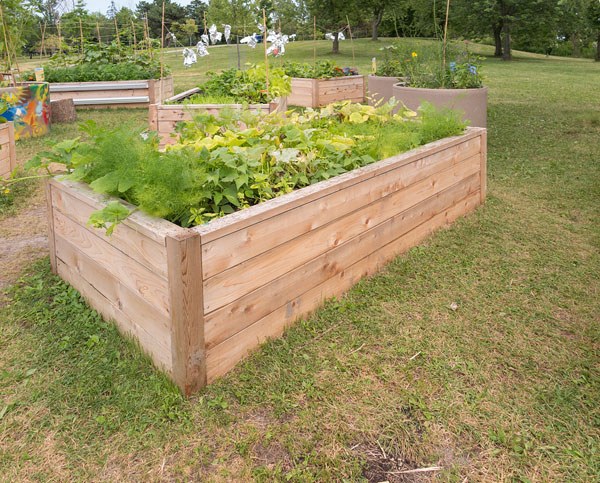
关于高床菜园,材料选择排在第一位。树皮道/tree bark、塑料套件、装石头的铁丝笼(格石笼)各有各的用处,格石笼的缝里还能塞花。木头是主流,但要选未经化学处理的方料或板材,文章明确说旧枕木不行,防腐处理里的毒物会留在木头里。木床还额外要付一笔养护账:受潮容易腐朽;因为架高,土壤失水比地栽快得多,浇水的量得跟着涨。套装买回来有四面侧板、防根膜、防鼠网和螺丝,另外还得自己备树枝、落叶或土、堆肥和碎料。
关于前院,文章一开头就提醒奥地利的规矩:门前留多少、能不能改,先看当地的规定,德国也有类似的对前院进深的限制,这一条不改,后面的设计都白搭。接着讲规划:定清楚是纯装饰还是要能停车、要不要遮蔽视线、打算花多少时间和多少钱,都得先想明白。植物选择上,文章反复提到前院多数是阴的,得挑耐阴的树;喜光的看位置;常绿的负责挡视线;落叶的种在离房子远一点的地方。
石头园、枯山水和请人造园
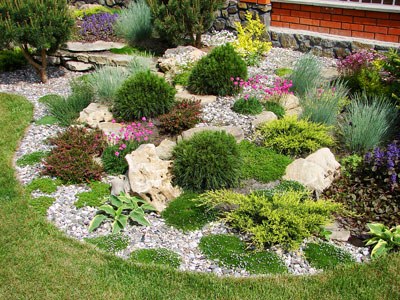
石头园那一章给的建议是按层搭配:底子用能耐旱的多年生和球根,石头缝里塞矮小的景天、虎耳草之类,再加观赏草提一提叶子线条,最上面才是开花植物,颜色要跟石头和背景协调。干旱不等于不用水,石头园反而要挑排水快的土,铺面用砾石和碎石,浇的水得比普通花床少但不能断。容易忽略的是新栽的石头园要缓苗,头两年别指望它立刻成形,石头会慢慢沉进土里,草也会慢慢铺开。
枯山水那一章先正名:德语口语说 Zen-Garten,日语里这个形式叫「Kare-san-sui」,意思是「枯山水」,所以它并不是摆满植物的园子,主要材料是砂、石和苔,再加盆栽。园子用四个元素代表世界:石、苔、水、树,其中水和树只作象征——水是耙在砂上划出的波纹,代表海洋和湖;树常常用盆栽或象征性的剪影代替,代表生命,每棵树都不一样,就像人。文章特别讲石头在神道里的地位,特定的石头被当作神的坐处,有的近乎当作人来对待,用稻草绳系着纸垂标示神圣。
花园水塘的文章把规模分了两档。迷你水塘要能一直看得到才好,选位置的时候先看日照,因为水生植物的深度和光照直接决定长什么;水要有落差,水泵和过滤是必需品,材料上玻璃、钢、塑料都行,防水内衬要做两层,接缝用玻璃胶而不是普通胶。空间不够就往下挖,深度是过冬的关键,算上冰层厚度,不然鱼就冻住了。大水塘则要另算土方和防渗,池底的坡度要缓,进出水口要分开。
杂志里有一篇专门谈请园林工人造园的成本和好处。文章建议第一次动工最好请专业的人来,从规划、买苗到栽种,全流程交给园艺师做;好处是省下大量时间和力气,而且第一季就能见效果。钱花在专业人员身上不亏,但即便请了人,也应该抽空到现场看看,园艺师对土壤的判断、哪种灌木配哪种树、怎么分层做土层、怎么给天敌昆虫留活路、怎么用香草和花把害虫挡在园外,这些经验听一遍比自己摸索快得多。做完之后园子还得有人照看,很多园艺师也提供后续养护,比如越冬、修剪、剪枝、割草这些活。
至于价格,文章说得很实在:贵,但不亏。影响因素列了一串——园子地面的状况,最坏情况下要把土全部挖出来重新填;预计投入的人工;地块大小;选什么植物;要不要装饰构件;要不要做视线遮挡;铺石子路;挖水塘;以及其他各种造景要求。给了一个参照数:如果花园是随建房子一起做的,成本大约是房价的百分之十五。这条经验法则只适用于这种整体新建的情况,单独改造一个院子不能照搬。
泳池那篇给的价格区间更具体。金属架的落地泳池是最省钱的做法,小型号直径约 3.6 米、深约 1.3 米,够下水凉快一下、扑腾玩水;买的时候注意过滤系统是不是自带,池壁最好是钢壳,最大的好处是搭起来快,拆起来也快。想要更便宜还有充气池和简易圆池,缺点是不如带钢架的圆池结实,池边也没法跳水。埋入地面的泳池明显更大,池体可以整块买,有各种尺寸和形状,配上灯光夜里也好看。文章提醒埋池是土方工程,防水层和管路接口都要提前定好位置。
一年四季的园子
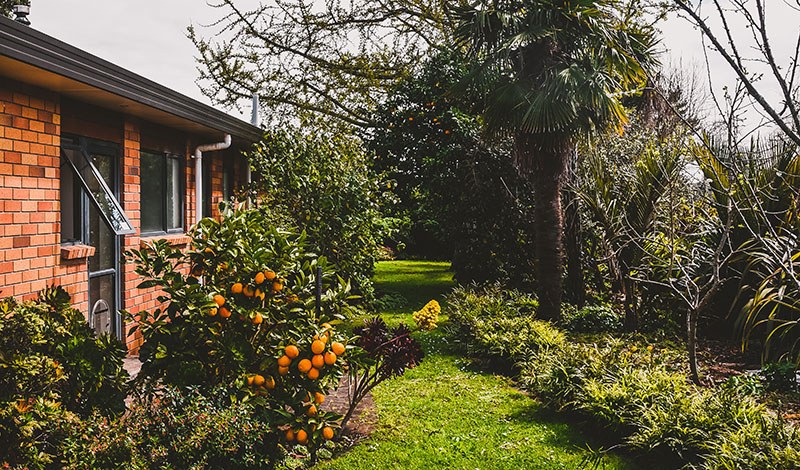
文章里有一篇写怎么用一个收拾好的园子过完春天。开春要先做的是把园子从冬天里解放出来:工具清理、上油,该从地窖和冬暖房搬出来的植株再搬出去;接着是播种和栽种,果树、蔬菜都要下地,园子能吃到自己种的水果和蔬菜。割草要注意剪留高度,观赏性草坪留 20 到 30 毫米,日常用草留 30 到 50 毫米。剪得太低草坪自己长不回来,会被杂草和苔藓占掉地方;剪得太勤也不行,叶子光合作用的时间不够,根系撑不住。文章还提到,冬天把草坪上的雪扫掉或摊薄,对草的呼吸有好处。
香草那一章讲的是另一层意思:香料和药用植物是「有用又好」的一类,早先各种文化里所有植物都受看重,科学和技术把人和植物的关系弄生疏了,「草」这个词的意思也就窄了,现在只剩十来种香草。回到早期,能看到植物的用途是怎么被一层层传下来的,也看到阿尔卑斯地区这些用途正在慢慢被重新学回去。文章建议在园子里辟一小块香草地,靠着厨房或步道种,随时能摘;同时留几块给蜜蜂和蝴蝶,它们是授粉的功臣,也是果蔬能不能坐果的关键。
An online gardening magazine from Austria
Gartenjournal is a German-language online gardening magazine whose masthead reads “Das Gartenjournal – Ihr Ratgeber für Freude im Garten”, an advisor for joy in the garden. The site is run by Mad Dog Media GmbH, a company registered in Leibnitz in the Austrian state of Styria, which builds and operates websites and online platforms on various information topics. The magazine has no print edition; all of it appears online.
Mad Dog Media does more than this one magazine. The company describes itself as running close to a hundred websites of its own across the German-speaking region with more than ten million visitors a year, and its business includes sponsored articles, display advertising and native advertising, sold directly to advertisers rather than through a link broker. Its registered business purpose in the Austrian Chamber of Commerce is in the field of data processing and information technology, and the register it is entered in is the Leibnitz district court. The articles carry a single byline: Martin. The address, telephone number, email, VAT number and commercial register number are all left out of the body of the articles, and they are left out here too.
Its earliest shape is visible in old snapshots: the front page was arranged in columns for Gartenpflanzen, Gartengestaltung and Magazin, with each article reduced to two or three sentences and a “weiterlesen” link. The current version is considerably more complete, with articles given in full, plus a row of direct links to the topics of building a garden, a swimming pool, raised vegetable beds, a garden pond, a rock garden and a zen garden.
How the sections are arranged
There are now five standing categories. Pflanzen covers the care and propagation of individual plants, garden perennials and ornamentals, bulbs included. Gemüsegarten deals with vegetables and herbs, from raised beds to windowsill propagation. Gartengestaltung is about how to lay out a garden. Vorgarten is given over to the strip in front of the house, a typical feature of Austrian homes. Magazin is where the problem-solving articles live, and it is by far the largest category. Below the categories hang more than fifty tags, from Rasenpflege to Ameisen vertreiben, at a fine grain.
The article count has passed a hundred. An early batch dates from 2014 to 2017 and reads like a manual: laying new lawn, pruning a cherry tree, building a tool shed, keeping koi, making a compost bin yourself, pairing water lilies and bulrushes. Another peak came between 2019 and 2020, covering in fine detail how much room to leave in front of the house, which companion plants to put where, and which tree suits which position. From 2023 the focus turns to garden furniture and equipment, and in September 2025 around twenty short pieces arrived at once, all of them quite specific: why plants rot in pots even with drainage holes, what to do about a hose that keeps kinking, why a rain barrel tips over, what really helps against rats in the compost heap, how to get rust off tools with things from the house.
Specific problems, specific answers
What the magazine does well is take a problem apart. On robotic mowers, the article first asks three things: what does a robotic mower actually achieve, what preparation does the garden need, and what has to be kept in mind in use. Across tests of different brands, among them Bosch, Gardena, Indego and Honda, the mowing itself differs little; the grass is generally cut evenly and thoroughly. The real differences show up in the preparation required, and that is what should drive the choice of model. The article advises levelling the ground, since holes and slopes cause trouble; heavier machines cope better with holes but fare worse on wet grass; and the lawn should be kept clear, because flat books or clothing left lying about will be chewed up without any compunction and scattered over the garden like confetti.
On raised vegetable beds, the material comes first. Plastic kits, tree bark and wire cages filled with stone all have their uses, and plants can even be tucked into the gaps between the stones. Wood is the common choice, but untreated square timber or boards should be used, and the article is explicit that old railway sleepers are unsuitable because they contain the poisons of heavy impregnation. A wooden bed also carries running costs: it tends to rot if it stays wet, and because the soil sits raised it dries faster than ground-level planting, so watering has to increase. A kit comes as four side panels, a dimpled liner, wire mesh against voles and screws, and on top of that you still need prunings, leaves or soil, compost and chippings.
On front gardens, the article opens with a reminder about Austrian rules: how much room to leave in front, and whether you may change it, comes down to local regulations, and Germany has comparable limits on how deep a front garden may be. Get that wrong and the rest of the design is wasted. Planning comes next, working out whether the space is purely decorative or also has to take a car, whether you want screening, and how much time and money you are prepared to spend. On plant choice the advice repeats: front gardens are mostly shaded, so pick shade-tolerant trees; match sun-lovers to sunny spots; evergreens do the screening; deciduous trees go further from the house.
Rock gardens, zen gardens and hiring a professional
The chapter on rock gardens advises planting in layers: drought-tolerant perennials and bulbs at the base, small sedums and houselecks tucked into the gaps between the stones, ornamental grasses to add to the line of the leaves, and flowering plants on top with colours that sit with the stone and the background. Dry does not mean no water, but a rock garden wants free-draining soil surfaced with gravel and chippings, and it needs less water than an ordinary bed without ever being allowed to dry out. The point easily missed is that a new rock garden needs to settle: for the first two years do not expect it to look finished, as the stones sink into the soil and the grass spreads.
The zen garden chapter begins by setting the term straight. Colloquially in German one says Zen-Garten, but this form of garden is called Kare-san-sui in Japanese, which means a dry landscape, so it is not a garden full of plants but one built mainly of sand, stone and moss, with bonsai added. The garden represents the world through four elements, stone, moss, water and tree, though the last two are only symbolic: water is shown by the raked lines drawn into the sand with a rake, standing for oceans and lakes; trees stand for life itself, part of the whole yet each unlike another, much like a person, and are often represented symbolically or by bonsai, bamboo, plum and cherry. The article gives particular weight to the stones, which in Shinto belief can be seats of the gods, and some are treated almost as people, their sanctity marked with a straw rope and paper streamers.
The garden pond article divides the subject by scale. A mini pond is best kept where you can see it constantly, so choose the position for sunlight first, since the depth and the light decide what can grow. There has to be a drop in level, a pump and filtration are necessities, and the material can be glass, steel or plastic; the waterproof lining wants two layers, and the joints take silicone rather than ordinary glue. Where space is short, dig down, and depth is the thing that decides overwintering, allowing for the ice layer, or the fish freeze. A larger pond means separate earthworks and sealing, a gentler slope at the base, and separate inlets and outlets.
One article deals specifically with the cost and the benefits of having a landscape gardener build the garden. It advises that for the initial work it is best to call in a professional, who can take the whole process from planning and buying plants to planting; the point is the time and effort saved and the fact that the garden reaches full bloom in its first season. The money is well spent even so, but even with a professional on site it is worth watching, because the gardener’s judgement of the soil, which shrubs and trees need which soil, how to lay different levels and soils, how to make room for beneficial insects, and how to keep pests out by planting herbs and flowers they cannot tolerate, is worth hearing once rather than working out alone. Many landscape gardeners also offer continued care afterwards, such as overwintering, pruning, trimming and mowing.
On price the article is plain: it is not cheap, but it pays off. The factors listed include the condition of the site, which in the worst case means digging out and refilling the soil; the labour expected; the size of the plot; the choice of plants; whether decorative elements or screening are wanted; laying paved paths; digging a pond; and a good many further design options. One reference figure is given: where a garden is created as part of building a house, the cost is about fifteen percent of the price of the house. That rule of thumb applies to that whole new-build situation and cannot simply be carried over to renovating an existing garden.
The swimming pool article gives more specific figures. A set-up pool with a metal frame is the cheapest option, the smaller models averaging about 3.60 m in diameter and 1.30 m deep, which is not large but plenty for a cool dip and some splashing. When buying, check whether the filtration system is included and that the shell has a solid frame, ideally a steel one; the great advantage of set-up pools is how quickly they can be assembled and equally quickly taken down again. For less money there are inflatable pools and simple round ones, but they are less robust than round pools with a steel frame and are reduced to the essentials, so no diving off the edge. Pools built into the ground are considerably larger, the shell can be bought as a single unit in many sizes and shapes, and with lighting they also make a sight at night. The article notes that an in-ground pool is earthworks, and the waterproofing and pipe connections have to be planned into the positions early.
A garden through the year
One article follows a well-kept garden through the spring. The first job is to free the garden from winter: clean and oil the tools, bring the plants that were stored in the winter garden or cellar back outside, then sow and plant, and the garden can offer fruit and vegetables of its own. Mowing height matters, with 20 to 30 mm for ornamental lawn and 30 to 50 mm for a lawn that gets walked on. Cutting too short stops the grass growing back from the roots, which lets weeds and moss take the space; cutting too often is no better, because the leaves need time to photosynthesise and the roots cannot hold on. The article also notes that sweeping or spreading the snow off the lawn in winter helps the grass breathe.
The chapter on herbs makes a different point. Herbs for cooking and for medicine are plants that are useful and good, and they open up a varied way into nature. The shifting meaning of the word Kraeuter over the centuries says a lot about how we relate to plants: once every plant mattered and was revered, and science and technology undid our closeness to nature, which also narrowed the word until today it means a dozen or so culinary herbs. Looking back at earlier centuries shows how plant knowledge was handed down orally at first, and how uses accumulated in layers. In the Alps these uses are being slowly and painstakingly relearned. The article suggests setting aside a small herb bed near the kitchen or the path, where it can be picked as needed, and leaving some space for bees and butterflies, which do the pollinating and are in turn the reason fruit and vegetables set.
相关文章:
 英国 gardeningdata园艺链接资源网站 – 在线园艺资源网站
 英国 WCF有限公司PROGREEN杂草控制 – 专注于提供种类齐全的喷雾器,包括
 美国 密歇根园丁杂志 – 专业园艺服务机构
 英国园艺杂志The English Garden – 英国花园文化与园艺杂志
 美国水生植物与睡莲苗圃 Pond Megastore – 根据不同地
 美国 克雷默花园Kraemer’s Garden – 提供一年生植物、多年生植物、地被植物、树木和灌木、草本植物和蔬菜、吊篮、室
 美国 Clean Air Gardening –环保草坪与园艺工具零售商
 英国 黛比的园艺链接 Debby’s Gardening Links – 英国本土持续维护的个人园艺资源目录
发表回复