

机构沿革与历史定位
Flora of New Zealand Series(新西兰植物志系列)是新西兰国家植物分类学权威参考资料,由 Manaaki Whenua – Landcare Research 主持完成电子版编制与发布。该机构 1992 年随新西兰 Crown Research Institutes 体系建立而独立,前身为 Department of Scientific and Industrial Research(DSIR)的相关研究部门;2025 年 7 月 1 日,新西兰政府将其整合进新成立的 New Zealand Institute for Bioeconomy Science。系列原书以印刷卷形式最早在 1961 年出版,覆盖新西兰本土与外来维管植物、地衣、苔类等核心类群,由多位新西兰本土植物学家主编。
五卷主志与苔藓志的内容架构
系列主体由五卷本土及自然归化维管植物主志构成:Volume I(1961,Indigenous Tracheophyta – Psilopsida, Lycopsida, Filicopsida, Gymnospermae, Dicotyledons)由 H. H. Allan 主编;Volume II(1970,Monocotyledons except Graminae)由 L. B. Moore 与 E. Edgar 编写;Volume III(1980,Adventive Cyperaceous, Petalous & Spathaceous Monotyledons)由 A. J. Healy 与 E. Edgar 完成;Volume IV(1988,Naturalised Pteridophytes, Gymnosperms, Dicotyledons)由 C. J. Webb、W. R. Sykes 与 P. J. Garnock-Jones 联合编写;Volume V(2000,Gramineae)由 E. Edgar 与 H. E. Connor 编写。此外 D. J. Galloway 主持了三卷地衣志,包括 1985 年版及 2007 年 A–Pac、Pan–Z 两卷修订第二版;J. J. Engel 与 D. Glenny 于 2008 年完成 A Flora of the Liverworts and Hornworts of New Zealand Volume 1。
电子化工程与文本编辑处理
电子版工程自 2004 年起由 A. D. Wilton 与 I. M. L. Andres 主持制作,先将印刷原书经重新录入或 OCR 转换为可检索文本,再编辑为统一 XML 格式并交叉链接到 Biota of New Zealand 等在线资源。编辑声明明确说明:原文中用于换行的连字分词已移除, footnote 按其所属段落或条目重排至文末,所有检索表都重新排布以适应电子阅读;雌雄同株的印刷符号全部替换为 ☿(沿用 Stearn 1983 Botanical Latin p. 365 的定义)。九卷电子版的发布时间分别为 2004 年 6 月(Volume I–V)、2006 年 6 月(Lichens 第一版)、2006 年 6 月与 2007 年 12 月(Lichens 修订第二版上下卷)、2008 年 6 月(Liverworts 第一卷)。
关联数据库与动态电子植物志
Manaaki Whenua 旗下另有三套围绕新西兰植物的数据库互相补充:Biota of New Zealand 提供真菌、陆生无脊椎动物、植物以及部分病毒与细菌的分类学与命名数据,编辑记录通常 15 分钟内即可发布到网站;Electronic Flora of New Zealand 是基于最新系统学研究的动态电子植物志,截至 2024 年已提供 Ferns、Mosses 与部分 Seed Plants 的新分类处理。本站(Flora of New Zealand Series)作为静态电子版,承载印刷版内容的完整重排与可检索化,与上述两个动态数据库之间存在 Biota of New Zealand 的跳转链接,但与 Electronic Flora of New Zealand 之间目前尚无双向链接。
学术使用与联络信息
系列官方推荐将印刷版作为科学研究的引用依据,电子版主要用于增强检索、扩大传播与跨资源跳转。站点在说明中明确表示,电子文本由原作者对其学术内容负全部责任,编辑团队仅对页眉信息、文本一致性与 XML 结构负责。日常联络与学术合作可通过站内 About、Help、Search syntax、Field definitions、Acknowledgements 等子页查阅编辑团队联系方式(公开联系信息可在主页页脚获取),具体引文与体例亦在同位置说明。
Institutional Background and Historical Position
The Flora of New Zealand Series is a foundational reference on the country’s vascular plants, lichens and liverworts, with the electronic edition developed and published by Manaaki Whenua – Landcare Research. The institute became an independent Crown Research Institute in 1992 when the CRI system was created, after operating within the former Department of Scientific and Industrial Research (DSIR); on 1 July 2025 the New Zealand Government merged it into the newly established New Zealand Institute for Bioeconomy Science. The printed series first appeared in 1961 and was compiled over four decades by successive generations of New Zealand botanists, covering indigenous and naturalised vascular plants, lichens and hornworts.
Content Structure of the Five Vascular Volumes and Bryophyte Volumes
The core of the series comprises five printed volumes of indigenous and naturalised vascular plants: Volume I (1961, Indigenous Tracheophyta – Psilopsida, Lycopsida, Filicopsida, Gymnospermae, Dicotyledons) compiled by H. H. Allan; Volume II (1970, Monocotyledons except Graminae) by L. B. Moore and E. Edgar; Volume III (1980, Adventive Cyperaceous, Petalous & Spathaceous Monocotyledons) by A. J. Healy and E. Edgar; Volume IV (1988, Naturalised Pteridophytes, Gymnosperms, Dicotyledons) by C. J. Webb, W. R. Sykes and P. J. Garnock-Jones; and Volume V (2000, Gramineae) by E. Edgar and H. E. Connor. D. J Galloway is responsible for the 1985 edition of Lichens and the 2007 A–Pac and Pan–Z revised second edition volumes, while J. J. Engel and D. Glenny completed Volume 1 of A Flora of the Liverworts and Hornworts of New Zealand in 2008.
Electronic Production Process and Editorial Treatment
The electronic versions were produced from 2004 onward by A. D. Wilton and I. M. L. Andres, who rekeyed the original text or processed scanned pages through OCR, edited the resulting text for consistency with the printed source, converted the result to XML, and cross-linked the XML to other online resources such as the Biota of New Zealand portal. The editorial declarations document several systematic changes: hyphenation used only to split words across printed lines has been removed; footnotes have been repositioned to the end of the entry or section to which they refer; identification keys have been rearranged to suit electronic display; and the original hermaphrodite symbol has been replaced with ☿ following Stearn (1983, Botanical Latin, p. 365). Release dates were 26 June 2004 (Volumes I, II and V), 24 June 2004 (Volume III), 26 March 2004 (Volume IV), June 2006 (Lichens), June 2006 and December 2007 (Lichens revised second edition), and June 2008 (Liverworts Volume 1).
Related Databases and the Dynamic Electronic Flora
Manaaki Whenua maintains three complementary resources on New Zealand flora. Biota of New Zealand provides taxonomic and nomenclatural data on fungi, land invertebrates, plants and selected viruses and bacteria, with editor updates usually published within 15 minutes. The Electronic Flora of New Zealand is a dynamic electronic flora based on ongoing systematic research and, as of 2024, delivers new treatments for ferns, mosses and parts of the seed plants. The Flora of New Zealand Series site (the current site) hosts the static electronic reproduction of the printed volumes, with cross-links to Biota of New Zealand at the start of each taxon description but no hyperlinks to the Electronic Flora of New Zealand at present.
Academic Use and Contact Details
The site explicitly recommends citing the printed volumes in scientific research; the electronic files are intended to extend discoverability, broaden access and add cross-resource value rather than to replace the printed source. The original authors retain full responsibility for the scientific content, while the editorial team takes responsibility for header metadata, consistency with the printed source and the XML structure. Correspondence, citation guidance, and search syntax details can be accessed via the About, Help, Search syntax, Field definitions, and Acknowledgements pages linked from the site’s footer.
相关文章:
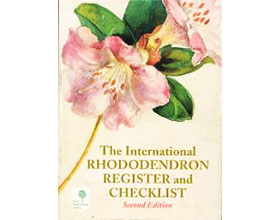 国际杜鹃花属名册和登记表2004版
 新西兰皇家园艺学院 – 1923 年创立的百年园艺学术团体
 爱尔兰 Irish Wildflowers – 野生植物图鉴
 美国 常春藤协会 The American Ivy Society和常春藤杂志Ivy Journal
 澳大利亚 NSW 植物在线平台 – 悉尼皇家植物园学术数据库
 世界植物在线植物列表数据库World Flora Online – 是全球植物物种数据库,收录了来自世界各地的植物信息
 英国 Summerfield Books – 植物学学术专门书商
 日本 花园词典 Japanese Garden Dictionary – 日本庭园学术资源平台
发表回复