
协会概况与历史
Epiphyllum Society of America (ESA) 创立于 1940 年, 在美国加利福尼亚州注册, 是经美国国税局认定的 501(c)(3) 非营利公益组织 (public charity). 协会是国际昙花 (Epiphyllum) 与其他附生仙人掌 (epiphytic cacti) 培育爱好者的核心组织, 现有正式注册会员遍及美国、英国、德国、意大利、巴西、澳大利亚、新西兰、日本、墨西哥、加拿大等十多个国家与地区. 协会致力于推动昙花及 Hylocereeae 族附生仙人掌杂交品种的栽培、命名登记、品种保护与国际学术交流. 在英语园艺界, 这种植物也被称作 “orchid cacti” (兰花仙人掌)、”jungle cacti” (丛林仙人掌), 或者通俗地简称作 “epis”.
植物学背景与研究范围
昙花 (Epiphyllum) 属热带雨林附生仙人掌, 原生范围从墨西哥及加勒比海地区一直延伸到中南美洲. 与沙漠仙人掌不同, 昙花没有尖刺, 而是将根系附着在热带雨林树木的腐殖质缝隙中生长, 与兰花、凤梨等同属典型的附生植物. 协会的研究范围并不局限于单一的 Epiphyllum 属, 同时涵盖 Selenicereus、Disocactus (含原 Aporcactus 与 Nopalxochia)、Aporcactus 等近缘属. 自 19 世纪初开始, 全球园艺爱好者就已经开展属间杂交工作, 目前已有数千种色彩与形态各异的杂交品种面世, 涵盖从白色、粉色、红色、橙色到黄色等各种花色, 但自然界中并不存在真正的蓝色花朵. 协会维护的”The Registry of Hybrids and Species”是 Hylocereeae 族内杂交种与物种的官方登记名册.
国际登记权威与命名服务
ESA 是 Hylocereeae 族附生仙人掌杂交种与物种的国际登记权威机构 (International Registration Authority). 协会每期 Bulletin 季刊均发布新登记品种的官方目录, 收录所有获登记杂交种的花型描述、杂交者 (hybridizer) 与登记人 (registrant) 姓名. 协会对申请登记的品种设有明确标准: 必须是花朵具备独特色彩、形态或其他辨识特征、且已在公开流通、容易在自根栽培条件下开花与生长、枝条不易病斑、根系强健不易腐烂、可用于花展展示的”值得命名” (noteworthy) 品种. 每项登记费用为 10 美元, ESA 会员可享受 5 美元优惠费率. 协会建议所有具备以上特征的昙花新杂交种由其培育者正式命名并登记, 以保留品种谱系.
会员、活动与栽培指南
ESA 年度会费为 20 美元 (按日历年计算, 10 月 1 日之后缴付自动顺延至下一年度). 洛杉矶本地的会员可在每月第一个周二晚 7:30 前往洛杉矶县植物园 (Los Angeles County Arboretum, 301 N. Baldwin Ave, Arcadia, CA) 的 Bamboo Room 参加月会; 月会包含专题园艺讲座, 首次访客与新会员可获赠一株昙花小苗, 全球会员亦可通过 Zoom 远程参加. 协会还在每年十二月举办年终大会与年度静默拍卖 (Annual Silent Auction), 并在 Founders’ Award 评选中表彰对昙花保育与推广有持续贡献的个人、杂交者、苗圃与园艺组织. 协会的”Cultural Information”提供从插穗生根、光照 (建议 75% 遮荫, 避开正午直射)、温度 (防霜冻)、土壤配比 (山茶/杜鹃介质加珍珠岩与树皮)、到施肥 (10-10-10 平衡肥或 0-10-10 促花肥) 的完整栽培指引, 同时整理常见害虫 (蜗牛、介壳虫、粉蚧) 与病毒病害 (Cactus Virus X) 的处置方法.
出版物、奖项与国际合作
协会季刊 The Bulletin 自 1940 年代延续至今, 收录栽培经验、新杂交种报告与年度品种目录. 自 2015 年 Vol. 71 期起保持每年四期出版节奏, 至 2026 年已经发行至 Vol. 80 No. 2 Summer 2026 期. 协会自 2005 年起设立 Founders’ Award, 至今已表彰 Richard Chadwick、Phyllis Flechsig、George French、Dr. Myron Kimnach (亨廷顿植物园名誉主任)、Helmut Paetzold、Rainbow Gardens、Grimshaw’s Epi Time Nursery、Haage Nursery 等数十位国际杂交者与苗圃, 是昙花领域公认的最高荣誉. 协会还与 South Bay Epiphyllum Society (SBES) 等地方分会保持密切合作, SBES Epigram Newsletter 与 Bulletin 季刊互为补充. 协会出版物可在 ESA Publications 页面公开查阅.
Society Overview and History
The Epiphyllum Society of America (ESA) was founded in 1940 and is incorporated in the State of California as a nonprofit 501(c)(3) public charity. The Society serves as the central organization for hobbyists who grow and enjoy epiphytic cactus hybrids commonly known as “epiphyllums,” “orchid cacti,” or “jungle cacti.” ESA promotes the cultivation of Epiphyllums and other epiphytic cactus species, supports and educates growers, and administers the International Registry for hybrids and species of the Tribe Hylocereeae. Membership is open internationally and the Society counts members in the United States, United Kingdom, Germany, Italy, Brazil, Australia, New Zealand, Japan, Mexico, Canada, and many other countries.
Botanical Scope and Research Range
Epiphyllums are true cacti native to the tropical rainforests of Mexico, the Caribbean, Central America, and South America. Unlike desert cacti, they lack sharp spines and instead attach their roots to the humus pockets of trees in the shady, somewhat humid jungle canopy, in a manner similar to orchids and bromeliads. The Society’s botanical scope extends beyond Epiphyllum to related genera of epiphytic cacti, including Selenicereus, Disocactus, Aporcactus, and Nopalxochia (the latter two recently reclassified within Disocactus). Because these varieties cross readily with each other, hybridizers since the early 1800s have produced literally thousands of named hybrids in a rainbow of colors. Every color is represented except true blue, which does not occur naturally in the cactus family. Some individual named plants date back over a century, having been continuously propagated by cuttings.
International Registration Authority
ESA is the International Registration Authority for Epiphyllum Hybrids and Species of the tribe Hylocereeae. The Society publishes the printed Registry of Hybrids and Species, listing all registered hybrids with written descriptions of the flowers and the names of the hybridizer and registrant. A cultivar is considered “noteworthy” when its flower is distinctive in color, form, or other characteristic, when it is in general circulation, easy to grow and flower on its own roots, has clean strong growth with strong roots, and is suitable for exhibition. The registration fee is 10 USD per cultivar (5 USD for ESA members). Hybridizers are urged to name and register noteworthy cultivars to preserve the documented lineage of their plants.
Membership, Meetings, and Cultural Resources
Annual dues are 20 USD per calendar year; dues paid after October 1 apply to the next calendar year. Members local to the Los Angeles area attend monthly meetings at 7:30 pm on the first Tuesday of each month (no meetings in December or January) at the Los Angeles County Arboretum, 301 N. Baldwin Ave, Arcadia, CA, in the Bamboo Room. Parking and admission are free, refreshments are provided, and first-time visitors and new members receive a free plant. Meetings are also broadcast live on Zoom to all members worldwide. The annual End-of-Year meeting in December includes the Founders’ Award ceremony and the September Annual Silent Auction. The Society’s Cultural Information page covers propagation from cuttings, recommended 75 percent shade, frost protection, loose slightly acidic potting mix with perlite and bark, balanced 10-10-10 fertilizer or 0-10-10 for bud stimulation, and integrated management of snails, scale, mealybugs, and Cactus Virus X.
Publications, Awards, and International Collaboration
The Bulletin, the Society’s quarterly publication, has appeared continuously since the 1940s. From Volume 71 Number 1 (Fall 2015) through Volume 80 Number 2 (Summer 2026), the Bulletin has documented cultivation techniques, new hybrid reports, and annual cultivar directories. The Founders’ Award, established in 2005 in conjunction with the Society’s 65th anniversary, recognizes individuals, hybridizers, nurseries, garden societies, and writers whose contributions have influenced the epiphyllum world nationally and internationally. Past recipients include Richard Chadwick, Phyllis Flechsig, George French, Dr. Myron Kimnach (Director Emeritus of the Huntington Gardens), Helmut Paetzold, Rainbow Gardens, Grimshaw’s Epi Time Nursery, and Haage Nursery, among many others. The Society also collaborates closely with regional affiliates such as the South Bay Epiphyllum Society (SBES), whose Epigram Newsletter complements the Bulletin. Past Bulletin issues are publicly available through the ESA Publications page.
相关文章:
 美国 圣地亚哥昙花协会 – 昙花和附生仙人掌物种的研究栽培展览与收集
 美国 香草协会 The Herb Society of America – 1933 年创立的香草研究非营利组织
 美国 牡丹协会 American Peony Society – 行业自律与服务组织
 美国 钓钟柳协会 American Penstemon Society – 钓钟柳属研究专会
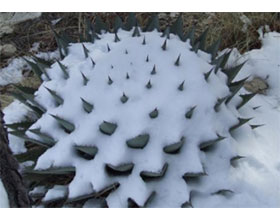 美国 耐寒仙人掌苗圃 Cold Hardy Cactus – 专注耐寒仙人掌品种的科罗拉多州专业苗圃
 英国 仙人掌和多肉植物协会 – 推动研究保护与栽培
 美国 加州新月城吊钟海棠和昙花协会 – 推动吊钟海棠与昙花的栽培与景观应用
 美国 鸢尾协会 American Iris Society – 鸢尾品种国际注册机构
发表回复