
协会概况
加拿大 BC 省原生植物协会(Native Plant Society of British Columbia,缩写 NPSBC)成立于 1997 年,总部设在温哥华。协会由一群关注不列颠哥伦比亚省原生植物及其栖息地的本省与跨地理成员组成,会员身份覆盖自然爱好者、园丁、植物学家、生物学家、森林生态学家、植物繁殖者、景观设计师等十余类。协会以学习 BC 省原生植物知识、分享相关信息、推动原生植物的伦理使用与保育管护为宗旨,下设 Jim Rainer 纪念基金接受公众定向捐赠。
原生植物定义与种类
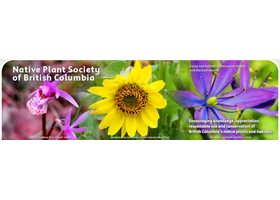
BC 省共有约 3000 种原生植物(含 2500 种维管植物),涵盖苔藓、蕨类、草本、野花、灌木、乔木等各类群。原生植物指在某一特定地区、生态系统或栖息地自然出现、并在欧洲移民接触之前就已存在的物种,它们与本地的动物、真菌、微生物长期协同演化,构成本土生态系统的基石。常见 BC 原生植物包括西部红雪松(Thuja plicata)、太平洋山茱萸(Cornus nuttallii)、虎皮百合(Lilium columbianum)、臭菘(Lysichiton americanum)以及 banner 上呈现的 Calypso bulbosa 仙履兰、Balsamorhiza deltoidea 箭头香根菊、Camassia quamash 北美百合。
六项目标与伦理守则
协会章程列明六项目标:提高公众对原生植物多元价值的认识、推动本省原生植物物种与群落及栖息地的保育、支持原生植物的伦理使用、鼓励栖息地恢复、促进个人、群体与政府间就原生植物议题的沟通与协作、支持原生植物与群落研究。配套的 NPSBC 会员伦理守则进一步要求会员理解植物对所有生命的重要性、承认原生植物与栖息地的内在价值、尊重原住民传统植物知识、保护稀有物种、推动退化土地恢复并鼓励在已开发区域建立原生植物群落。
保育管护与濒危物种
原生植物面临城市扩张、商业开发、外来入侵物种等多重压力,协会长期推动公众参与保育行动。BC 省现有 312 种维管植物被列入红色名录(绝迹、濒危或受威胁),306 种被列入蓝色名录(特别关注)。公众可通过 BC 省政府环境部的 BC Species and Ecosystems Explorer 检索物种学名、所属类群、保护状态等关键信息,协会网站资源页提供 E-Flora BC、Garry Oak Ecosystems Recovery Team(GOERT,专注温哥华岛与 Gulf Islands 的 Garry Oak 生态系统)、Washington Native Plant Society 等多个外部资源链接。
出版物与园艺应用
协会自 1997 年起出版会刊《Menziesia》,至 2014 年为纸质期刊,后转为电子版,2016 年停刊,完整存档在 resources/menziesia 子页公开(覆盖 2013 春夏秋冬四期、2014 春夏合刊),内容涵盖原生植物随笔、栖息地报道、田野考察记录、协会动态与研究简讯。协会倡导在园艺造景中使用 BC 原生植物,推荐的理由包括:原生植物形态美观(野花、乔木、灌木、蕨类、地被皆备)、已适应本地气候(耐冬雨夏旱)、为本地野生动物提供食源与庇护、具有生态系统服务价值(调节气候、防止水土流失、改善水质、养分循环)并贡献生物多样性。使用时仅种植可持续采集种子培育的苗圃植株,禁止从野外(包括公园、绿道)采挖任何原生植物。
Society Overview
The Native Plant Society of British Columbia (NPSBC) was founded in 1997 and is based in Vancouver. Membership draws naturalists, gardeners, botanists, biologists, forest ecologists, plant propagators, landscapers and others from across British Columbia and beyond. The society focuses on learning about BC’s native plants and their habitats, sharing information, and committing to the ethical use, conservation and stewardship of native flora. The Jim Rainer Memorial Fund accepts directed donations through the same Vancouver office.
Native Plants Defined
British Columbia is home to roughly 3,000 native plant species, including about 2,500 vascular plants spanning mosses, ferns, grasses, wildflowers, shrubs and trees. A native plant is one that occurs naturally in a particular region, ecosystem or habitat, and occurred prior to European contact. These species co-evolved with animals, fungi and microbes into the complex networks that underpin BC’s native ecosystems. Familiar examples range from western red cedar (Thuja plicata) and Pacific dogwood (Cornus nuttallii) to tiger lily (Lilium columbianum) and skunk cabbage (Lysichiton americanum); the banner image features Calypso bulbosa fairy slipper orchid, Balsamorhiza deltoidea arrowleaf balsamroot and Camassia quamash common camas.
Six Objectives and Code of Ethics
The society’s charter lists six objectives: increase awareness of the myriad values of native plants; promote conservation of the province’s native plant species, communities and habitats; support ethical use of native plants; encourage habitat restoration; facilitate communication and interaction among individuals, groups and governments regarding native plant issues; and support research on native plants and plant communities. The companion NPSBC Code of Ethics further asks members to understand that plants are essential to all life, acknowledge the intrinsic value of native plants and habitats, recognize the botanical history and diversity of the province, respect First Nations’ traditional knowledge and unique relationship with the plant world, conserve native plants and habitats, preserve rare native plant species, promote restoration of altered land, encourage establishment of native plants in developed areas, and share knowledge of native plants and habitats.
Conservation and Stewardship
Native plants face pressure from residential and commercial development near cities and towns as well as invasive species that outcompete them for space, water, nutrients and light. BC currently lists 312 vascular plant species as red-listed (extirpated, endangered or threatened) and 306 as blue-listed (of special concern). Members of the public can look up individual species through the BC Ministry of Environment’s BC Species and Ecosystems Explorer, searching by plant name, general group (vascular plants, mosses, etc.) or conservation status. The society’s Resources page links to E-Flora BC, the Garry Oak Ecosystems Recovery Team (GOERT, focused on Garry oak ecosystems on Vancouver Island and the Gulf Islands) and the Washington Native Plant Society’s landscaping pages.
Publications and Garden Use
NPSBC published the newsletter Menziesia from 1997 to 2014 in print, transitioned to an electronic newsletter for about a year, and ceased publication in 2016. Back issues covering the 2013 Spring/Summer, 2013 Fall, 2013 Winter and 2014 Spring/Summer editions remain available through the Resources section, with content on native plant profiles, habitat reports, field trip accounts, society news and research briefs. The society encourages gardeners to use BC native plants for their beauty, climatic fit (low-maintenance species adapted to rainy winters and dry summers), superior wildlife value, ecosystem services (climate regulation, erosion control, water quality, nutrient cycling) and biodiversity contribution, while insisting that only nursery-propagated stock from sustainably collected seed and cuttings be planted, and that wild collection from parks, greenways and natural areas is prohibited.
发表回复