
历史沿革
米勒植物园(Elisabeth Carey Miller Botanical Garden)位于美国华盛顿州西雅图市北部,紧邻普吉特海湾与奥林匹克半岛,最初是伊丽莎白·凯莉·米勒(Elisabeth “Betty” Carey Miller)与丈夫彭德尔顿·米勒(Pendleton Miller)的私人居所花园。米勒夫妇于一九四八年购置了五英亩的土地,请本地建筑师丹尼尔·拉蒙特(Daniel E. Lamont)设计了一座以厚实红杉壁板与柔和砂岩墙体为主的牧场风格住宅。米勒夫人在世时,她的园圃就以稀有植物的收藏与精细培育闻名;她于一九九四年辞世后,花园依照其遗嘱转为植物园,并面向园艺界开放。
家族与创办背景
米勒家族在美国西北部的拓荒史上渊源颇深。彭德尔顿·米勒的祖父威廉·温洛克·米勒(William Winlock Miller)于十九世纪中叶经由俄勒冈小径迁入普吉特湾地区,曾任华盛顿准州多个政治职务,并在西雅图与旧金山积累了大量地产与金融资产。米勒夫人在斯波坎出生、在西雅图成长并就读于华盛顿大学,长期致力于将这片私家园地经营为兼具收藏、研究与教育功能的园艺基地,并因此被国际园艺界视为二十世纪后期最杰出的女性植物学家之一。
园区设计与植物收藏
园区以本地石材、风化倒木与原生针叶林为骨架,米勒夫人凭借其艺术专业背景,按叶形、树皮与花色的纹理与节奏布置植物群落。整座花园最终汇集了约四千种植物,其中不少是首次在北美成功栽培的物种,例如果园草(Hakonechloa macra ‘Aureola’)、智利硬蕨(Blechnum chilense)与白色臭菘(Lysichiton camtschatcensis)等。米勒夫人的日本与中国之行深刻影响了早期植物选择,使园中既保留太平洋西北海岸原生植被,又融入东亚林下地被与造型灌木。
教育推广与合作
花园转作植物园后,运营团队延续米勒夫人的理念,重点关注新引种与稀有品种在海洋性太平洋西北气候下的适应性评估。二〇〇〇年启动的”杰出植物精选”(Great Plant Picks,简称 GPP)项目是该园的核心教育计划,由二十五位来自华盛顿州、俄勒冈州与不列颠哥伦比亚省的园艺专家组成评选委员会,为区域园艺界推荐可靠植物名录。园方与西北园艺协会、 Elisabeth C. Miller 图书馆及西雅图多家园艺组织保持长期合作,并通过一年制实习、米勒纪念讲座与培训课程向社会开放。
运营模式与公众参与
米勒植物园面积约二点五英亩,以温带木本与草本植物的精致收藏为核心,所有参观采取预约制并由工作人员陪同讲解。园方维持一座小型温室、一座高山植物房与一座遮荫苗圃,用于支持园内作业并向其他植物机构分享种苗。公众参与渠道以邮件名单预约的工作坊与导览、面向园艺学子的实习项目以及由合作机构主办的年度纪念讲座为主;具体联系方式与到访安排以官方公开页面公布的信息为准。
Historical Background
The Elisabeth Carey Miller Botanical Garden in Seattle, Washington, began as the private residence of Elisabeth “Betty” Carey Miller and her husband Pendleton Miller, who purchased five acres of land overlooking Puget Sound and the Olympic Peninsula in the late 1940s. Local architect Daniel E. Lamont designed the ranch-style home with hand-split red cedar siding and soft sandstone walls. After Mrs. Miller passed away in 1994, the property was left in her will to become a botanical garden serving the wider horticultural community.
Family and Founding Vision
The Miller family had deep roots in the Pacific Northwest, with Pendleton Miller’s grandfather William Winlock Miller arriving in the region via the Oregon Trail in the mid-nineteenth century and accumulating extensive property and financial interests around Puget Sound and San Francisco. Mrs. Miller, born in Spokane and educated at the University of Washington, transformed the family property into a refined horticultural collection and was recognised internationally as one of the most accomplished plantswomen of her generation.
Garden Design and Plant Collection
The garden is structured around native stone, weathered logs and a canopy of Douglas fir, grand fir, Western hemlock and Western red cedar, with plantings composed for texture, form and seasonal colour. Across its roughly two-and-a-half acres the garden holds around four thousand plant taxa, including several species Mrs. Miller was the first to cultivate in North America, such as golden Japanese forest grass (Hakonechloa macra ‘Aureola’), Chilean hard fern (Blechnum chilense) and white skunk cabbage (Lysichiton camtschatcensis).
Education and Outreach
The garden’s primary educational programme is Great Plant Picks (GPP), established in 2000 by then-director Richard Hartlage with input from retired Pacific Horticulture editor Richard Turner. GPP assembles over twenty-five horticulturists from Washington, Oregon and British Columbia to recommend outstanding plants for maritime Pacific Northwest gardens. The garden also partners with the Northwest Horticultural Society, the Elisabeth C. Miller Library and regional horticultural organisations on workshops, classes and the annual Elisabeth C. Miller Memorial Lecture.
Operations and Public Engagement
Visits to the Miller Garden are by reservation only and led by a staff member, with a small greenhouse, alpine house, lath house and nursery supporting both in-garden maintenance and plant sharing with other institutions. Public engagement is centred on a year-long part-time internship, hands-on workshops with guided tours, and the annual memorial lecture hosted with partner organisations. Detailed contact and visiting information is published on the garden’s official website.
相关文章:
 美国 西北园艺协会 Northwest Horticultural Society – 服务于太平洋西北地区的园丁与植物爱好者
 美国 普吉湾公共花园 – 拥有丰富的各种公共花园
 美国华盛顿大学植物园米勒图书馆 Miller Library – 作为北美地
 加拿大 完美植物精选 Great Plant Picks – 推荐适应当地气候且具园艺推广价值的耐寒观赏植物
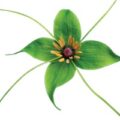 加拿大 温哥华耐寒植物小组 – 大温哥华地区长期活跃的耐寒植物交流平台
 美国 华盛顿公园树木园 Washington Park Arboretum – 以自然式园林空间为主的城市植物园
 美国 国家热带植物园National Tropical Botanical Garden – 考艾岛(Kauai)的Lāwaʻi峡谷
 美国密苏里州植物园 Missouri Botanical Garden – 美国历史最悠久的植物园之一
发表回复