

从一株 Citronella 走出来的六十多年
百合公司 Lily Company B.V. 位于荷兰北荷兰省的安代克,做的是花园百合的育种、种植与出口。创办人 Piet Groot 生于 1943 年 4 月 6 日,18 岁开始做生意,种的第一批球茎是当时刚露头的一批杂交百合,叫 Citronella。公司自己的说法是,做花园百合已经六十多年。
2009 年公司换了主人,Jan Willem Metzelaar、Paul van Egdom 和 Gebr. Bot BV 的 Edward 与 Evert Bot 一同接手。2023 年股权又动了一次,Bot 两人退出,Rick Metzelaar 和 Giel Visser 作为新股东进了管理层。现在是四个人分两头:Jan Willem 与 Rick 负责育种、种植和物流,Paul 与 Giel 负责采购与销售。Jan Willem 八十年代就在 Piet Groot 手下做事,作物上的病害和病毒问题问他最清楚;Rick 常在地里盯质量,也负责跟公司的波兰籍工人打交道。
自育的品种与育种的六个步骤
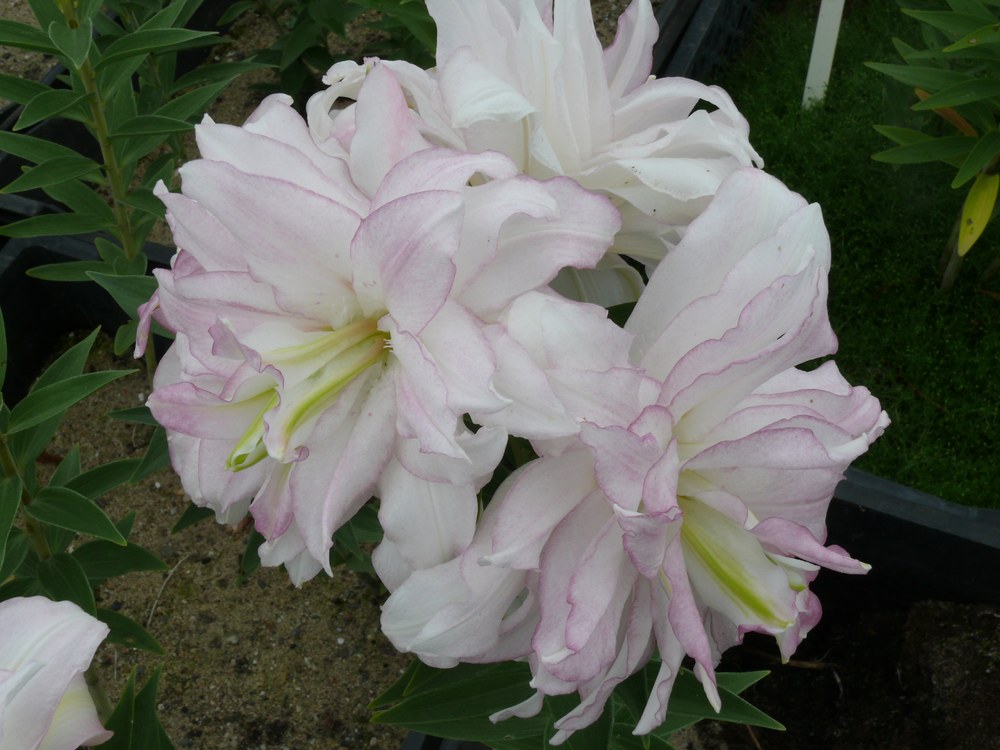
公司介绍页写的是 150 多个不重复的百合品种,首页与育种页则写 180 多个。跨度从老一辈的原始种,比如亚洲和北美都有的 Lilium regale,到自家育出的 F1、F2、F3 杂交种。重瓣东方型、亚洲杂种、Martagon、盆栽百合以及无花粉的品种各占一块,「Lotus」系列的重瓣东方种是其中的代表。
育种按六步走:先按花色、花形、香气、大小、抗病性和花期挑亲本;再人工授粉杂交;种子播下后种起来,等几年再从中选出想要的苗;选中的苗靠分球、剥鳞片或组织培养繁殖;繁殖出来的苗再测一遍性状做筛选;最后才放大到能商业化种植的规模。一个新品种走完这几步要好几年。
荷兰的田与温室
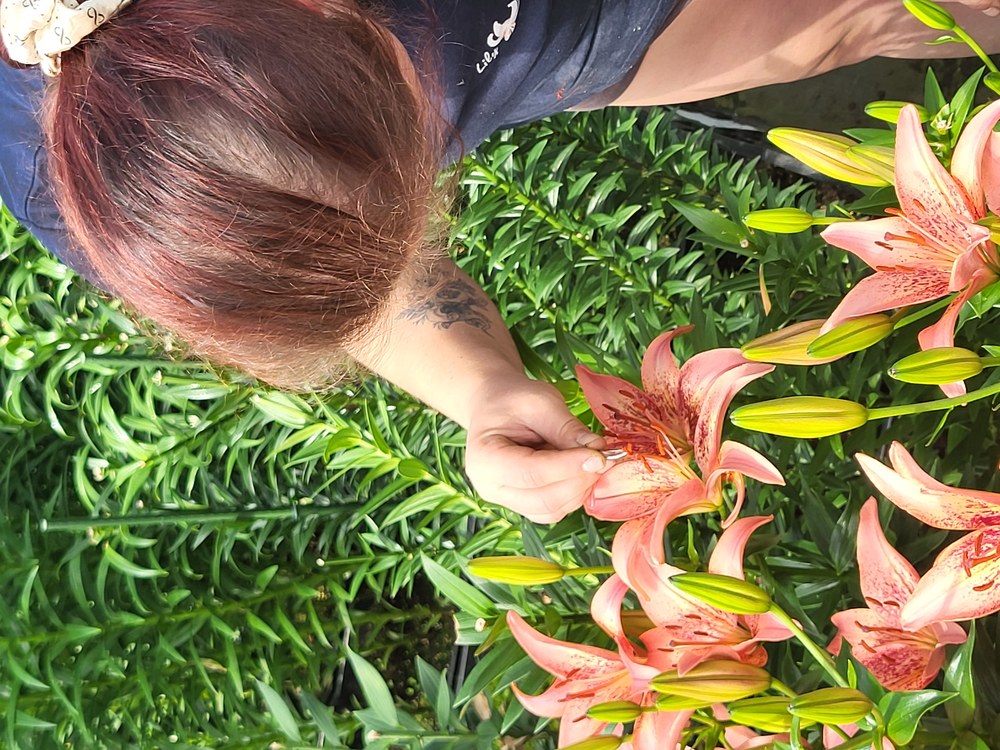
公司的种植规模在 130 多公顷,从选球、种植到发货都在自己手里。种球什么时候下地有讲究,公司自己的一份科普材料里写着:郁金香、水仙、风信子在秋天种,百合、唐菖蒲和朱顶红在春天种。生长季里要追肥、浇水、防病防虫,必要的时候还得用药。
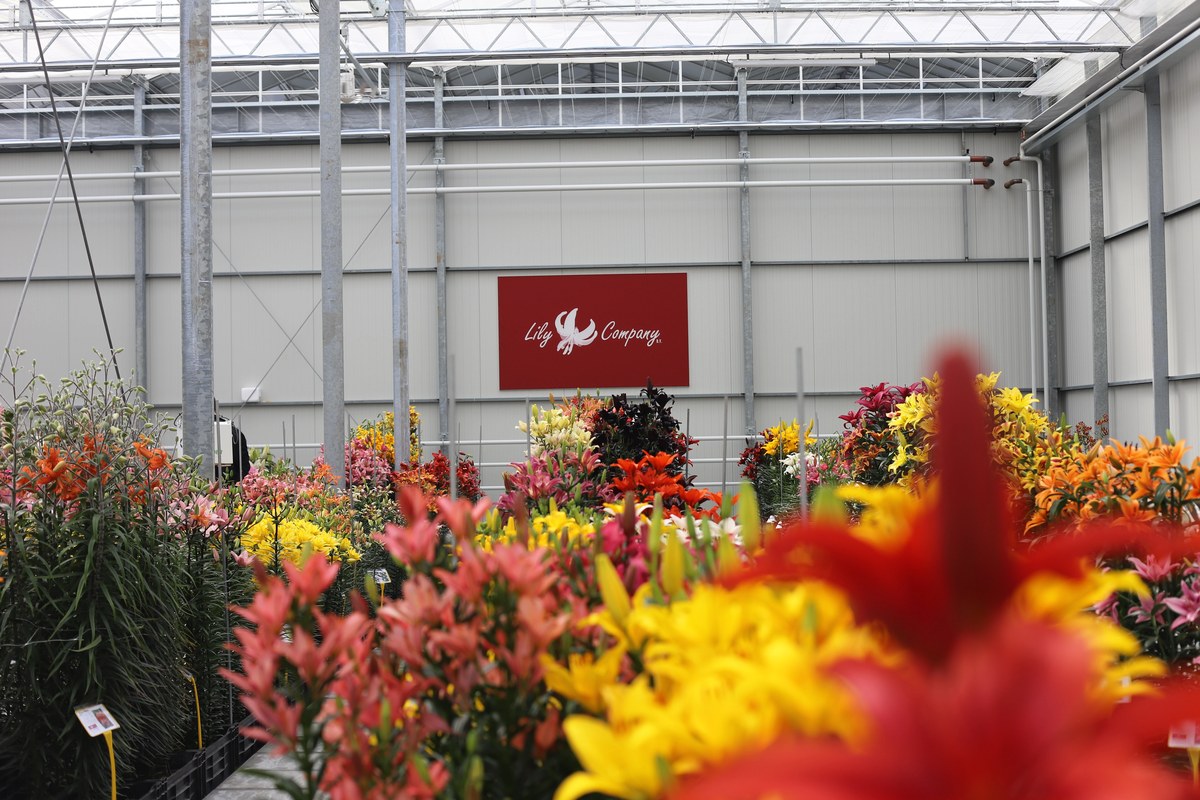
收获在夏天或秋天,看品种而定。球茎起出来后清理干净、分级,可以直接卖,也可以留着催花;其中一部分留种,第二年再下地。公司在每年六月的 Dutch Lily Days 上开放展示温室,让做生意的客户把整个目录看一遍。
认证、绿电与碳
公司登记在 MPS ABC,做 Global GAP 认证,也遵守 ETI Base Code 关于劳动条件的准则;合同种植户那边还参加 Drenthe 的可持续球茎种植项目。公司是 SBB 认可的带教学徒企业,年轻人可以在园子里学手艺。
用电全部来自风能。公司自己算的一笔账:固定在球茎里的二氧化碳每年 28 万多公斤,这笔账是按 110 公顷的球茎生产面积算的;球茎生产留下的干物质每公顷 2268 公斤,其中每年每公顷有 450 公斤算作有效有机质。这些碳留在球茎里也是长期的——花球本来就是拿去栽在花园和公园里的,进了土还继续固碳。
展会和卖到哪里去
五月是库肯霍夫的百合日,公众能看到公司带来的花;六月 Dutch Lily Days 开放展示温室给客户看;秋天公司在阿尔斯梅尔的 Trade Fair 上设摊,2025 年 11 月 4 日到 6 日那一场照常参展;10 月它在利雅得的 Saudi Agriculture 展上露面,2024 年 5 月去过北京的 IPM 展,展位号 W1A061。
2026 年的 Dutch Lily Days 定在 6 月 2 日到 5 日,荷兰有十三家百合球茎出口商一起开门迎客。2024 年 6 月 29 日,Enkhuizen 的 de Garden 展示花园开放,公司在里面添了 11 个百合类型。2024 年 4 月,公司为季节工的住处打了第一根桩,一共 63 根,每根 25 米。面向零散买家的网店另开在 letsgrowme.com,可以直接下单;球茎和切花运到世界各地,花园和公园是主要去处。
Sixty Years from a Single Citronella Lily
Lily Company B.V. sits in Andijk, in the Dutch province of Noord-Holland, and works on garden lilies: breeding them, growing them and exporting them. The founder, Piet Groot, was born on 6 April 1943 and started out in business at eighteen, growing one of the hybrid lilies that had only just appeared, called Citronella. The company says it has been working with garden lilies for more than sixty years.
Ownership changed in 2009, when Jan Willem Metzelaar, Paul van Egdom, Edward and Evert Bot of Gebr. Bot BV took over. The shares shifted again in 2023: the two Bots stepped back and Rick Metzelaar and Giel Visser joined the management as new shareholders. Four people now split the work, with Jan Willem and Rick on breeding, growing and logistics and Paul and Giel on buying and selling. Jan Willem started as an employee of Piet Groot in the 1980s and knows the crop’s diseases and viruses better than anyone; Rick is out in the fields checking quality and is also the one who talks to the company’s Polish workers.
Self-Bred Varieties and Six Steps of Breeding
The about page speaks of more than 150 unique lily varieties; the home page and the breeding page put the number at over 180. The range runs from old species such as Lilium regale, native to both Asia and North America, to F1, F2 and F3 hybrids bred in house. Double Orientals, Asiatic hybrids, Martagons, pot lilies and pollen-free types each have their place, with the double Orientals of the Lotus series among the better known.
Breeding runs in six steps. Parent plants are picked for colour, shape, scent, size, disease resistance and flowering time; the crosses are made by hand, moving pollen from one flower to another; the seed is sown and the seedlings are grown for years before the wanted ones are picked out; the selected plants are multiplied by dividing bulbs, by scaling or by tissue culture; the multiplied stock is tested again and selected once more; and only then is it scaled up for commercial growing. A new variety takes years to get through all of that.
Growing Bulbs in the Dutch Fields
The company grows on more than 130 hectares, with everything from choosing bulbs to delivering them in its own hands. Timing matters, and in a leaflet of their own they explain that tulips, narcissus and hyacinths go in during autumn, while lilies, gladiolus and zantedeschia are planted in spring. Through the season the crop is fed, watered and kept free of disease and pests, with plant protection products applied where they are needed.
Lifting happens in summer or autumn, depending on the crop. The bulbs are cleaned and graded, then sold as they are or prepared for forcing; part of them are kept back to plant again the following year. During the Dutch Lily Days in June the company opens its show greenhouse so trade buyers can walk the whole range.
Certification, Wind Power and Carbon
The company is registered with MPS ABC, holds Global GAP certification and works to the ETI Base Code on labour conditions; through its contract growers it also takes part in the sustainable bulb growing programme in Drenthe. It is a recognised training company with SBB, so young people can learn the trade in the fields.
All the electricity it uses is green power from wind. The company’s own figures: more than 280,000 kg of carbon dioxide is locked into the bulbs each year, a figure worked out over 110 hectares of bulb production; the crop leaves 2,268 kg of dry matter per hectare, of which 450 kg per hectare per year counts as effective organic matter. The carbon stays in the bulbs, because they are sold for planting in gardens and parks, where they keep holding on to what they took up.
Trade Fairs, Shows and Where the Bulbs Go
May brings the Leliedagen at Keukenhof, where visitors can see what the company has brought; in June the Dutch Lily Days opens the show greenhouse to trade buyers; in autumn the company stands at Trade Fair Aalsmeer, as it did from 4 to 6 November 2025; and in October it turns up at Saudi Agriculture in Riyadh, having exhibited at IPM Beijing in May 2024 on stand W1A061.
The 2026 Dutch Lily Days runs from 2 to 5 June, when thirteen Dutch lily bulb exporters open their doors together. The de Garden show garden in Enkhuizen opened on 29 June 2024, and the company added eleven lily types to it. In April 2024 the first pole went in for housing for the seasonal workers: 63 poles of 25 metres each. For smaller buyers there is a webshop of their own on letsgrowme.com, where bulbs can be ordered directly; the bulbs and cut flowers travel all over the world, with gardens and parks as the main destination.
相关文章:
 荷兰 博特球茎花卉公司 Bot Flowerbulbs – 北荷兰球茎预处理全球出口商
 荷兰 阿克球茎花卉公司 P. Aker – 荷兰百年球茎出口商
 北美百合协会 North American Lily Society – 英语世界百合属最具影响力的民间组织之一
 荷兰 斯滕沃登球茎 C. Steenvoorden – 荷兰覆盖五十余国的球茎出口商
 荷兰 Zabo Plant百合公司 – 专业园艺服务机构
 荷兰Van den Bos花卉球茎公司 – 对于专业的花卉种植者和进口商业来说,”荷兰Van den Bos花卉球茎公司”是从事百合、小苍兰及马
 荷兰 普林斯球茎 Prins Bulbs – 面向英国零售的家族出口商
 美国 萱草拍卖网 The Lily Auction – 全球最大萱草交易市场
发表回复