
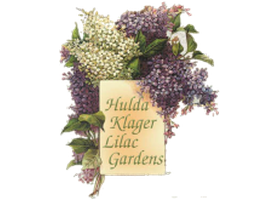
丁香夫人与育种起点
胡尔达·克拉格两岁时随家人从德国移居美国,1877 年定居华盛顿州伍德兰。她受植物育种著作启发,于 1905 年开始杂交丁香,到 1910 年已培育出 14 个新品种;1920 年起,她在盛花期开放自家庭园与同好分享成果,因此被称为“丁香夫人”。
洪灾重建与品种传承
1948 年哥伦比亚河洪水几乎摧毁整个花园,年逾八旬的克拉格依靠往昔访客返还的丁香分株重新栽植,并在 1950 年恢复开放。如今园方保存她培育的 My Favorite、Frank Klager、Pink Elizabeth、Fritz Klager 与 Alice Christenson 等代表性品种,线上丁香目录还可按花色、花型、花期和株型筛选 52 个条目。
历史遗址与维多利亚式花园
这处位于华盛顿州伍德兰的历史园址保留 1889 年建成的维多利亚式农舍、乡村花园、育苗棚及博物馆空间。园内约 4 英亩的游览区结合丁香展示、珍稀乔灌木和十九世纪庭园格局;农舍内陈列克拉格家族家具、纪念物及轮换展品,延续地方园艺与拓荒生活记忆。
志愿组织与保护机制
克拉格于 1960 年去世后,地方园艺团体阻止园址被改作工业用地。1976 年成立的 Hulda Klager Lilac Society 以非营利志愿组织形式接管修复与维护,会员和志愿者持续参与修剪、园务、展陈、植物销售及活动服务;花园也以国家历史遗址身份保存这段女性育种史。
丁香节与公众园艺服务
年度 Lilac Days 在春季花期举行,访客可赏花、参观农舍与博物馆,并在植物销售中选购多种规格和品种的丁香,相关收入用于维护花园与历史建筑。源站同时发布花期动态、无障碍说明、团体参访信息和品种检索资料,使这里兼具专类植物收藏、历史教育与社区参与功能。
The Lilac Lady and Her Breeding Work
Hulda Klager came to the United States from Germany as a child and settled with her family in Woodland, Washington, in 1877. Inspired by plant-breeding literature, she began hybridizing lilacs in 1905 and had produced fourteen new varieties by 1910. Her spring open houses, begun in 1920, earned her the enduring name “The Lilac Lady.”
Flood Recovery and Cultivar Legacy
The Columbia River flood of 1948 destroyed nearly all of the garden, but Klager rebuilt it in her eighties with starts returned by people who had previously received her plants. The collection still features cultivars associated with her work, including My Favorite, Frank Klager, Pink Elizabeth, Fritz Klager, and Alice Christenson. The site’s current searchable catalog presents fifty-two lilac entries organized by color, flower form, season, and plant size.
Historic Site and Victorian Garden
The Woodland property preserves an 1889 Victorian farmhouse, country gardens, a potting shed, and museum spaces. Approximately four acres open to visitors combine lilac displays, unusual trees and shrubs, and a nineteenth-century garden setting. Furnishings, Klager family memorabilia, and rotating exhibits inside the farmhouse connect the horticultural collection with the region’s domestic and community history.
Volunteer Stewardship and Preservation
After Klager died in 1960, local garden-club members acted to prevent the property from being cleared for industrial development. The nonprofit Hulda Klager Lilac Society, formed in 1976, took responsibility for restoration and stewardship. Members and volunteers continue pruning, maintenance, interpretation, plant sales, and event support while preserving the site as a nationally recognized historic place.
Lilac Days and Public Horticulture
Annual Lilac Days celebrate the spring bloom through garden visits, farmhouse and museum access, and a sale offering many lilac varieties and plant sizes. Proceeds support care of the gardens and historic buildings. Bloom reports, accessibility guidance, group-visit information, and the cultivar finder extend the site’s role beyond seasonal display into plant education, heritage interpretation, and community participation.





发表回复