

克雷费尔德的树木苗圃
海尔曼斯霍夫苗圃开在德国北莱茵-威斯特法伦州的克雷费尔德,经营者是 Thomas Meerkamp。站上把自己说成木本植物、竹子和宿根植物的行家,关于我们这一页列出四门主力生意:70 种耐寒竹,株高从 25 厘米一直到 9 米;150 个杜鹃和西鹃品种;150 个萱草品种;15 个玉簪品种。
附带的服务有四样:一对一咨询、免费发放资料、最高到 9 米的竹子样品植株,以及每年 3 月到 6 月的杜鹃花期提示。开放时间是每周五 8 点到 18 点连续开门,周六 8 点到 14 点,冬天看霜冻情况再定。要去的话先走联系页上的路线查询,约好时间更稳妥。
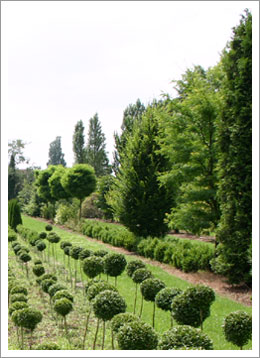
竹子的品种表怎么读
品种表是站内最好用的东西,70 个条目,每个都写着株高和耐寒程度,可以直接拿来挑苗。刚竹属占了 30 个,是最大的一批,高个的能到 7 米以上;寒竹属 13 个,多数在 2 到 3 米,标为很耐寒的占多数;剩下的 27 个分在另外 11 个属里。首页举的例子是寒竹属的 Campbell 品种,株高 5 到 7 米,耐寒好,蔓延性比原种轻。
看表的时候注意两个词,一个是株高,一个是耐寒程度,后者从很耐寒、较好耐寒到一般、较差都有,逐个品种标出来,不是笼统一句「耐寒」。
开花这件大事站内单独写了一页。竹子开花周期在 10 年到 120 年之间,同一个种的竹子会一起开。站上说耐寒竹的种和品种加起来约 100 个,真要开花的只是其中一种,其余 99 个照常生长;从种子选出来的新克隆开花时间更可控,站上举的名字有 Simba、Jumbo、Kranich 几个,预计还要 60 到 80 年才轮得上。走茎的竹子开花时一般能扛过去,代价是要占地方,阻隔膜还是得装。想换个思路,也可以选那些更耐寒的竹子,竿高能到 10 米,竿色有黑的黄的,叶子更宽,只是需要更多空间;或者干脆用樱桃月桂顶上原来那丛开完的竹子。
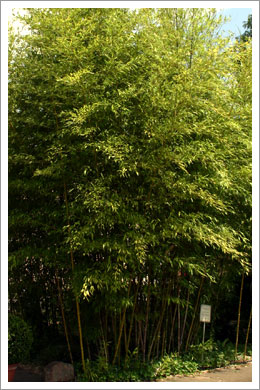
竹子在园子里怎么用、怎么种
竹子用处不少,看种类和品种,可以作地被、防风挡视线,也可以单株种成主景。配在旁边的植物,站上点了杜鹃、西鹃、日本枫、灌木牡丹、玉簪、蕨类,还有毛竹和芒草。
栽种方面,竹子几乎全年都能下地,早春最合适。土要透水,积水它受不了。坑挖到苗团的两倍大,土里拌上堆肥、泥炭、沙或者腐熟的有机肥,根扎稳之后一年最多施三次肥。天气热而干的时候要勤浇水,头几年秋天最好盖一层覆盖物护根。多数种类在地里过冬没什么问题,不过严寒到零下 12 度时,盆栽就得挪进车库或者暖房过夜。
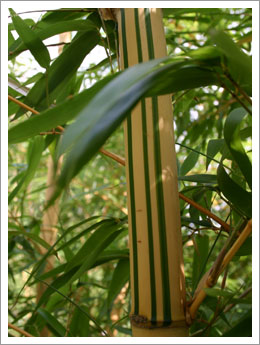
盆栽竹与防止蔓延的屏障
站上卖的竹子大部分都能盆栽,前提是盆够大,根团挤在原盆里会慢慢衰弱,及时换盆、疏根或者分盆是养好它的关键,动手时间也是早春。盆底要留排水孔,积水对竹子是致命的,位置最好避风。放进暖房里养,冬天空气干,叶子容易发褐;这种黄叶不要剪,只把完全枯掉的竹竿从根部剪掉。
冬天要提前准备,土会冻透,根茎跟着受冻,可以用稻草包住,或者报纸加泡沫膜裹严。气温低于零下 8 度时,把它放在明亮凉爽的地方;冬天照旧要浇水,但不要施肥,施肥留在 4 月到 7 月每月一次,8 月以后停。
会走茎的竹子麻烦得多,刚竹属这一类一年能往外扩 2 米。站上因此卖一种阻隔膜,高密度聚乙烯材质,2 毫米厚、70 厘米高,围成一圈埋进地里 60 厘米,接缝可以搭接,也可以用不锈钢条或者铝条固定住。价钱按延米算,7.50 欧一米,买满 10 米以后每延米 6.50 欧,配套的不锈钢卡扣 18.50 欧一个。
萱草与木本植物
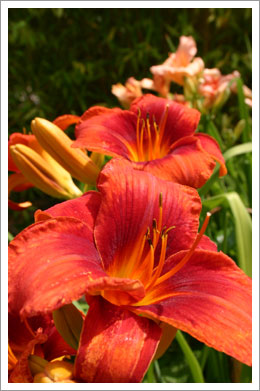
宿根这块他们专攻萱草,一共 150 个品种,分成田栽和盆栽两个目录。田栽目录列出 14 个品种名,盆栽目录 62 个,盆栽目录里的每个都写了花色和株高,写得挺细:黑红色带深褐红花喉的、蜜瓜色配深褐红花喉的、黄色外缘带褐边的都有,高度从 30 厘米到 90 厘米不等。这两份目录是节选,不是全部。
木本植物那边说品种齐全,除了常见的商品苗,也收一些少见货,其中木兰花有 60 个品种。小苗按茎围算,25 厘米以内的苗都有,高度能到 7 米左右。近来的供应页面还挂着九寨沟箭竹的报价,不同规格从 17.50 欧起。
A Tree Nursery in Krefeld
Baumschule Heilmannshof sits in the Traar district of Krefeld, in North Rhine-Westphalia in western Germany, and is run by Thomas Meerkamp. The site presents the nursery as a specialist in woody plants, bamboo and perennials. Its about page lists four main lines: 70 different winter-hardy bamboos, from 25 cm up to 9 m tall; 150 varieties of rhododendron and azalea; 150 varieties of daylily; and 15 varieties of hosta.
Four services come with that: one-to-one advice, free printed information, bamboo specimen plants up to 9 m high, and a note on the rhododendron flowering season from March to June. Opening hours are Friday from 8 am to 6 pm without a break and Saturday from 8 am to 2 pm, with winter hours depending on the frost. The contact page carries a route planner, so arranging a time in advance is worthwhile.
Reading the Bamboo List
The variety table is the most useful thing on the site: 70 entries, each with a growth height and a hardiness rating, which makes it a working reference when choosing plants. Phyllostachys accounts for 30 of them, the largest group, with the taller ones reaching past 7 m; the 13 Fargesia types are mostly 2 to 3 m tall, most of them rated very hardy; the remaining 27 sit in eleven other genera. The homepage gives Fargesia robusta ‘Campbell’ as an example: 5 to 7 m tall, hardy, and less inclined to spread than the species.
Two columns are worth reading closely when working through the table, the growth height and the hardiness rating, which runs from very hardy through fairly hardy to average and poor. Both are given per variety rather than as a general statement about the nursery.
Bamboo flowering gets a page of its own on the site. The cycle runs anywhere from 10 to 120 years, with all the plants of one species flowering at the same time. Around 100 hardy bamboo species and varieties exist, so when one of them does flower the other 99 carry on growing. New clones selected from seed are steadier in this respect, and the site names a few of them, Simba, Jumbo and Kranich, with the next flowering expected in 60 to 80 years. Running bamboos generally survive their flowering, at the price of the space they claim, so the barrier still makes sense. The alternative is to choose a hardier bamboo that can reach 10 m, with black or yellow canes and broader leaves, though it needs more room; or to replace the spent clump with cherry laurel.
What Bamboo Is Good For, and How to Plant It
Bamboo earns its place in a garden in several ways, depending on the species and cultivar: as a ground cover, as a windbreak or screen, or as a single specimen. The site suggests rhododendron, azalea, Japanese maple, shrub peony, hosta and ferns as companions, along with moso bamboo and miscanthus.
On planting, bamboo can go in at almost any time of year, with spring the best moment. The soil must drain well, because stagnant water does not suit it. Dig a hole twice the size of the root ball and work in compost, peat, sand or well-rotted organic manure, then feed the plant up to three times a year once it has rooted. Warm dry spells call for generous watering, and a mulch layer in autumn protects the plant through its first years. Most species get through winter without trouble in the ground, but below minus 12 degrees container plants need to spend the night in a garage or a winter garden.
Container Bamboo and Barriers Against Spread
Most of the bamboos on offer can be grown in containers, as long as the pot is big enough. A root ball that has outgrown its pot slowly weakens the plant, so repotting, dividing or thinning the root ball is the factor that keeps it healthy, and early spring is the time to do it. The pot needs a drainage hole, since waterlogging kills bamboo, and a sheltered spot keeps the wind off. In a winter garden the dry heating air turns leaves brown; those brown leaves should not be cut, only canes that have dried out completely are cut back at the base.
Winter preparation matters too, because the soil in the pot freezes and the rhizomes suffer with it. Bales of straw work, as does a wrapping of newspaper under bubble film. Below minus 8 degrees the plant should be kept in a bright, cool place. It still needs water in winter but no feed; fertilising runs from April to July, once a month, and stops in August.
Running bamboos are the difficult ones: species of Phyllostachys can travel up to 2 m a year. The site therefore sells a barrier film made of high-density polyethylene, 2 mm thick and 70 cm high, buried in a ring about 60 cm deep. The seam can simply be overlapped, or screwed together with stainless steel or aluminium rails. It is priced per running meter at 7.50 euros, or 6.50 euros per meter from 10 m upward, and the matching stainless steel clips are 18.50 euros each.
Daylilies and Woody Plants
On the perennial side the nursery specialises in daylilies, 150 varieties in all, split into a field-grown list and a container list. The field list shows 14 variety names and the container list 62, each container variety given its flower colour and height: velvety black-red, melon-coloured with a dark brown-red eye, yellow with brown-edged petals, in heights from 30 cm up to 90 cm. Both lists are a selection rather than the whole range.
The woody plant section claims a rich assortment of common nursery stock plus some unusual plants, with 60 magnolia varieties among them. Smaller plants are offered by stem circumference, down to 25 cm, and can reach a height of about 7 m. The current offers page also lists Fargesia Jiuzhaigou, the jade and red bamboo, in several sizes from 17.50 euros.
相关文章:
 美国 竹子园丁苗圃Bamboo Gardener – 提供耐寒竹子,包括单生和丛生品种,以及其他与竹子相关的用品
 英国 Mickfield玉簪苗圃 – 种苗生产与销售
 美国 Boxhill农场和苗圃 – 是华盛顿地区最大的竹子种植者,并提供各种一年生、多年生植物
 美国 Lewis Bamboo竹子苗圃 – 拥有并经营专门生产竹子的苗圃
 荷兰 Kimmei竹子苗圃 – 欧洲最大竹子收藏家族苗圃
 德国 Nielsen 苗圃 (Baumschule Nielsen) – 主营日本红枫与杜鹃花属
 美国 Brian’s Botanicals – 稀有天南星科和热带植物苗圃
 美国 Tripple Brook Farm – 马萨诸塞州永续农业耐寒植物苗圃
发表回复